

eczema care
Beyond Moisturizers: Winter, Eczema Flares, and the Microbiome
For the 31 million Americans living with atopic dermatitis, winter often brings unwelcome itchy, irritated flare-ups. The link between cold weather and eczema is real: Research shows eczema-related searches spike by up to 40% between November and February, and dermatologists consistently reporting a seasonal rise in patients.
While most winter skincare advice focuses on adding moisture, emerging research reveals a critical missing piece: the skin's microbiome. This community of microorganisms helps maintain barrier integrity and regulate inflammation, playing a crucial role in flare-up severity.
How Winter Triggers Eczema
Conventional wisdom blames flares on low humidity and indoor heating. While dryness is a key factor when the weather turns cold, it's only part of the story.
Healthy skin hosts a balanced ecosystem of bacteria that protect the barrier. In eczema-prone skin during winter, that balance is disrupted. Cold, dry air dehydrates the skin; hot showers strip natural oils; synthetic fabrics irritate; and reduced sunlight affects vitamin D. Together, these factors compromise both the barrier and the microbial balance that protects it.
“Cold, dry winter air can weaken the skin barrier, creating the perfect conditions for Staphylococcus aureus bacteria to overgrow while protective bacteria decline,” says Peter Lio, MD, Clinical Assistant Professor of Dermatology & Pediatrics at Northwestern University. “We now understand that this shift in the microbiome can amplify inflammation dramatically, which may help explain why so many patients notice sudden, intense flares as temperatures drop.”
The Microbiome Connection
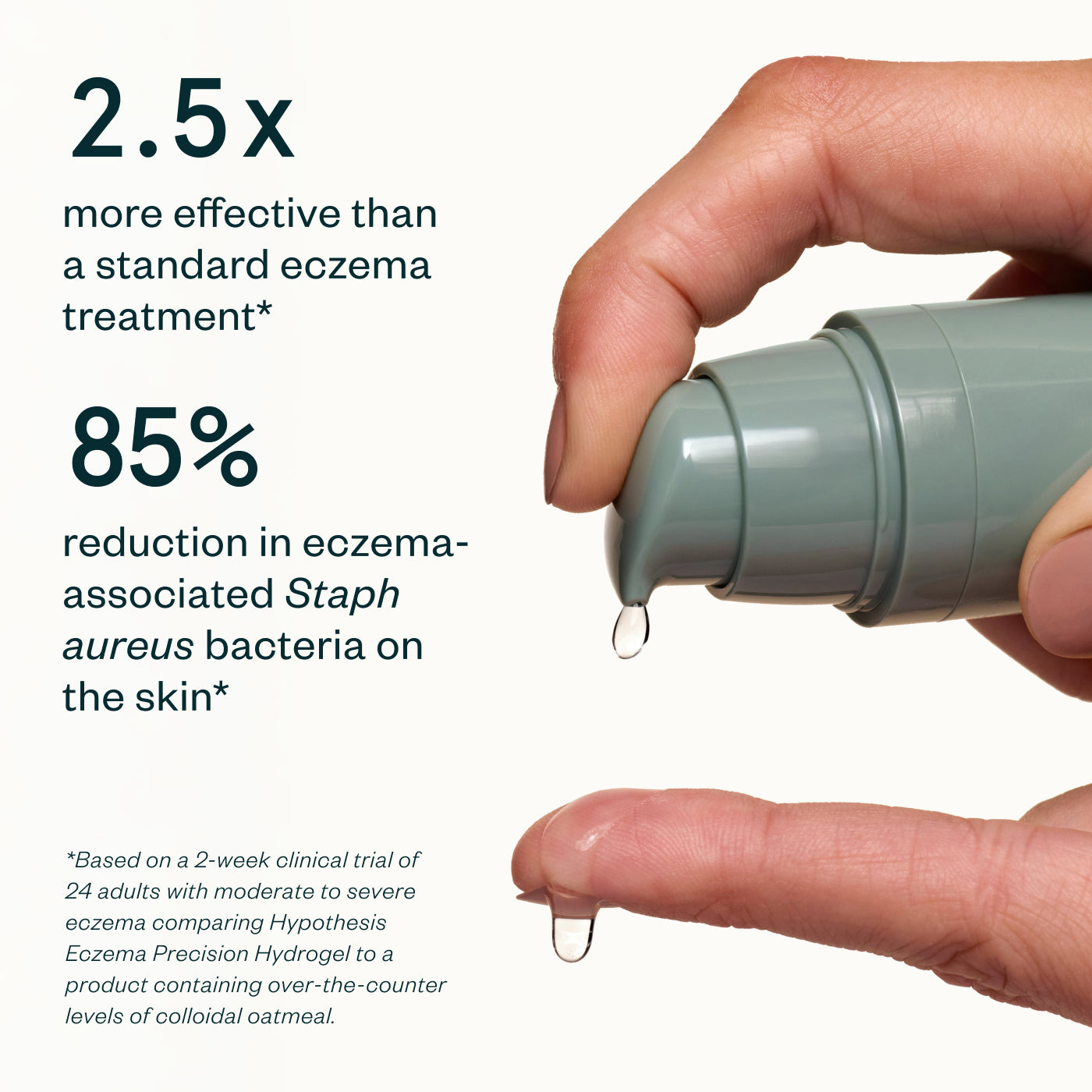
Research shows eczema-prone skin often experiences an overgrowth of Staph aureus bacteria, present in up to 90% of flare-ups. These harmful bacteria release toxins that further inflame and weaken the barrier: The more Staph aureus present on skin, the worse symptoms become. Meanwhile, beneficial bacteria that help regulate immunity are depleted.
“We’re beginning to understand eczema not just as a skin barrier problem, but also a microbial one,” says Lio. “New technologies that help rebalance the skin’s bacteria hold real promise for more stable, predictable control, allowing us to truly get to the root of the problem for the first time."
Traditional eczema care in winter centers on three pillars: moisturize often, avoid triggers, and use topical medication when needed. These are important but incomplete. A microbiome-centered approach reframes winter eczema care from simply treating symptoms to rebalancing and restoring the skin's living ecosystem.
Your Comprehensive Winter Strategy
1. Microbiome-Restorative Care
The challenge of Staph aureus has been addressing its overgrowth without disrupting the protective microbiome. Conventional over-the-counter and prescription eczema products like steroid creams and moisturizers merely treat symptoms—itching, irritation, and dryness—but not the underlying bacterial imbalance. In contrast, antimicrobial products like hypochlorous acid sprays kill both harmful and helpful microbes, which can leave skin vulnerable.
Recent advances in enzyme technology offer a more targeted solution. Our patented TPZ-01™ enzyme selectively targets Staph aureus while preserving beneficial bacteria. This precision approach represents a major leap forward from conventional eczema treatments, working with the skin's natural ecosystem to restore the microbiome’s balance.
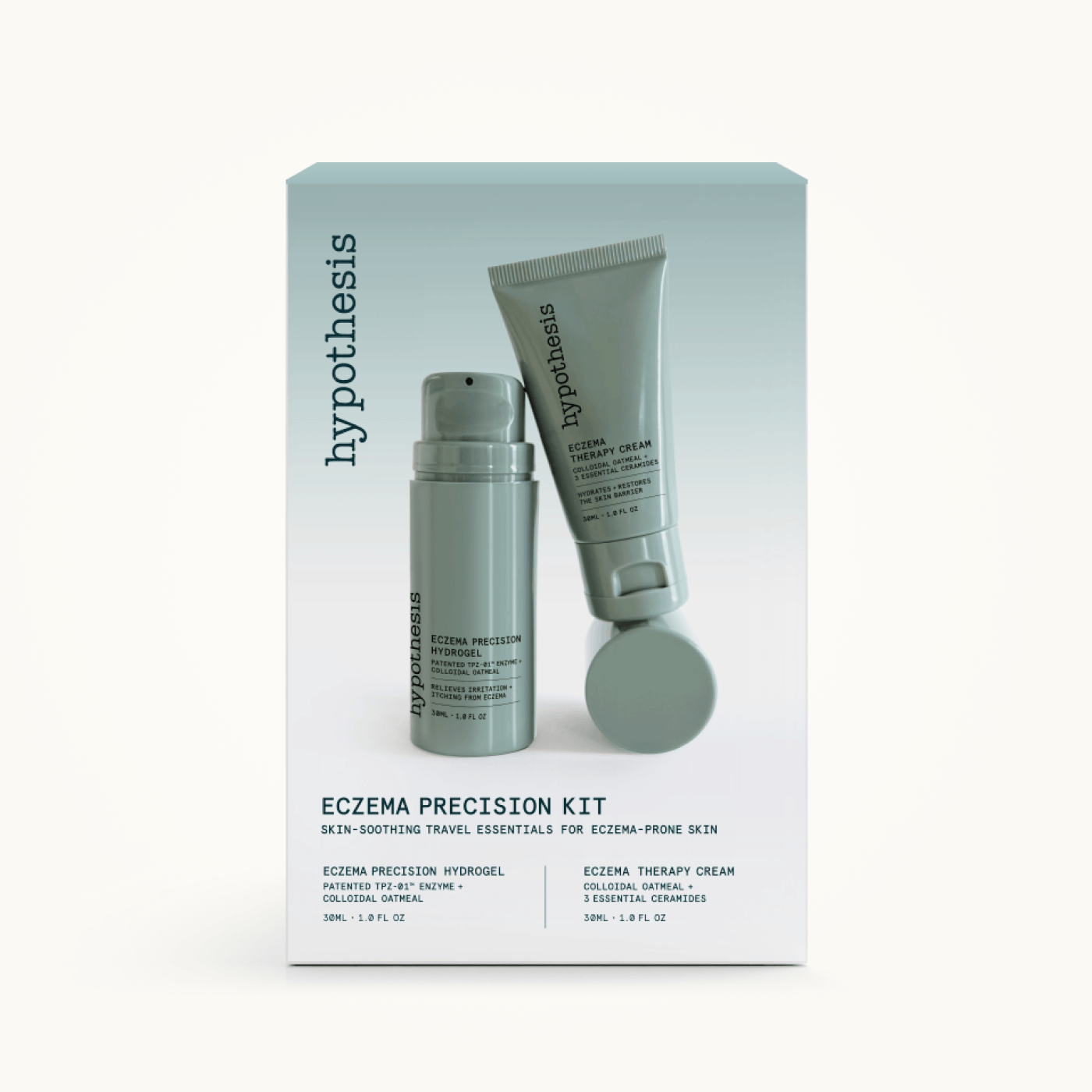
At hypothesis™, we've developed two TPZ-01™-powered formulas:
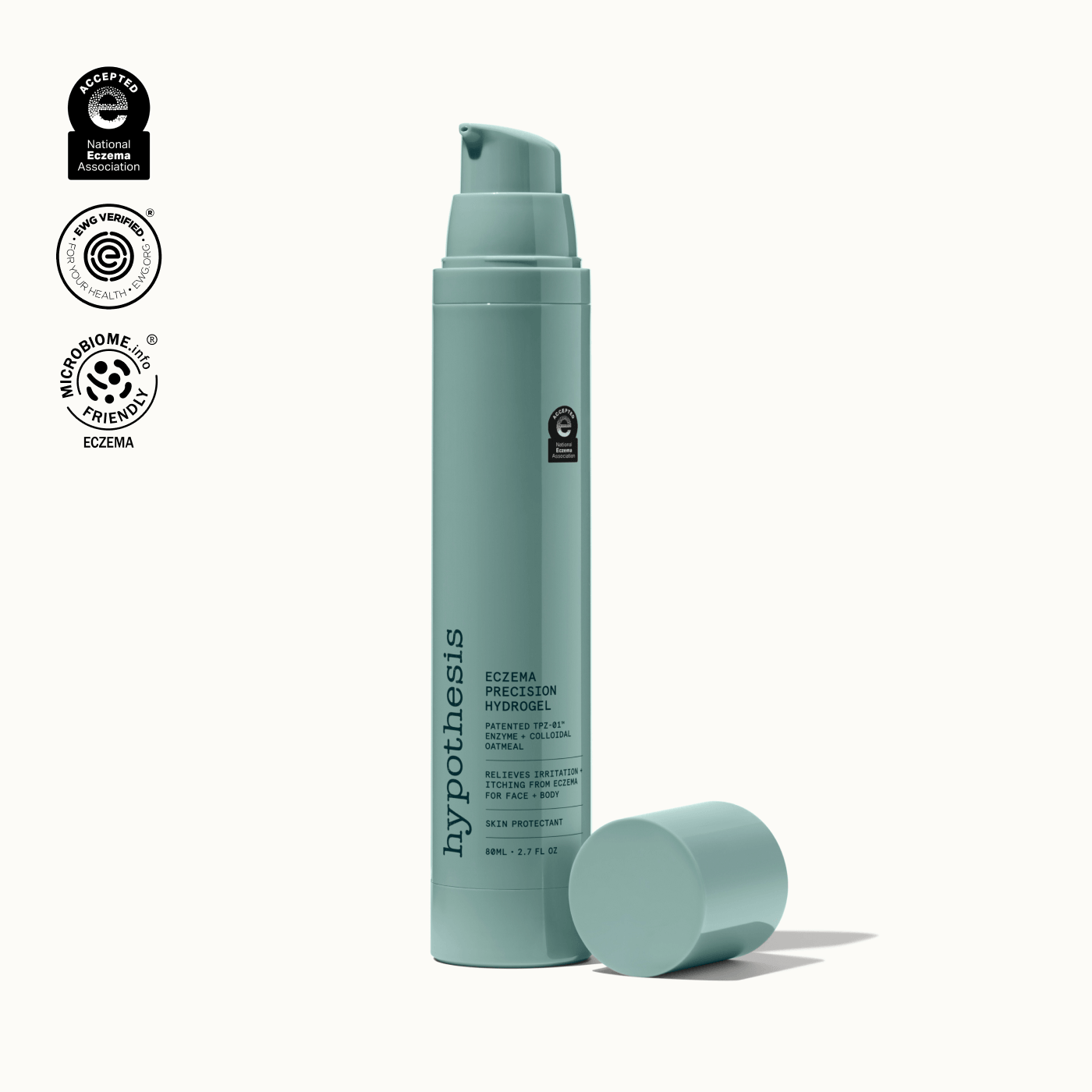
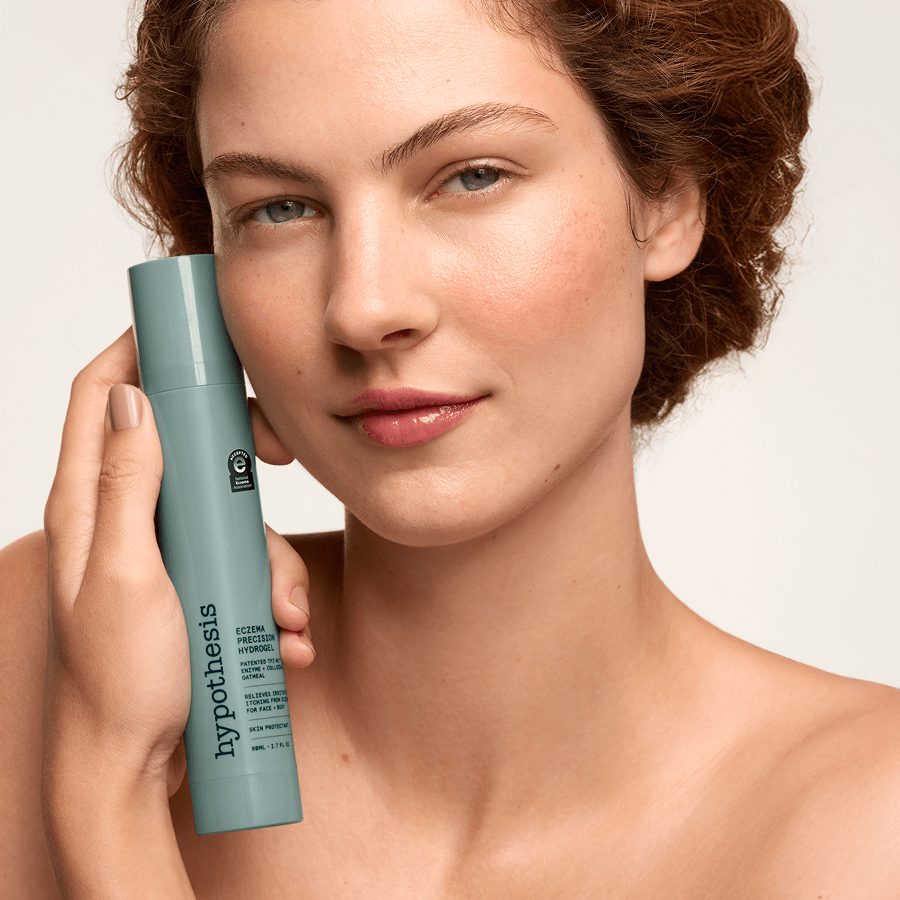
- Our lightweight, fast-absorbing Eczema Precision Hydrogel is perfect for eczema-prone skin and flares, delivering TPZ-01™ directly to affected areas and providing real relief by addressing bacterial imbalances.
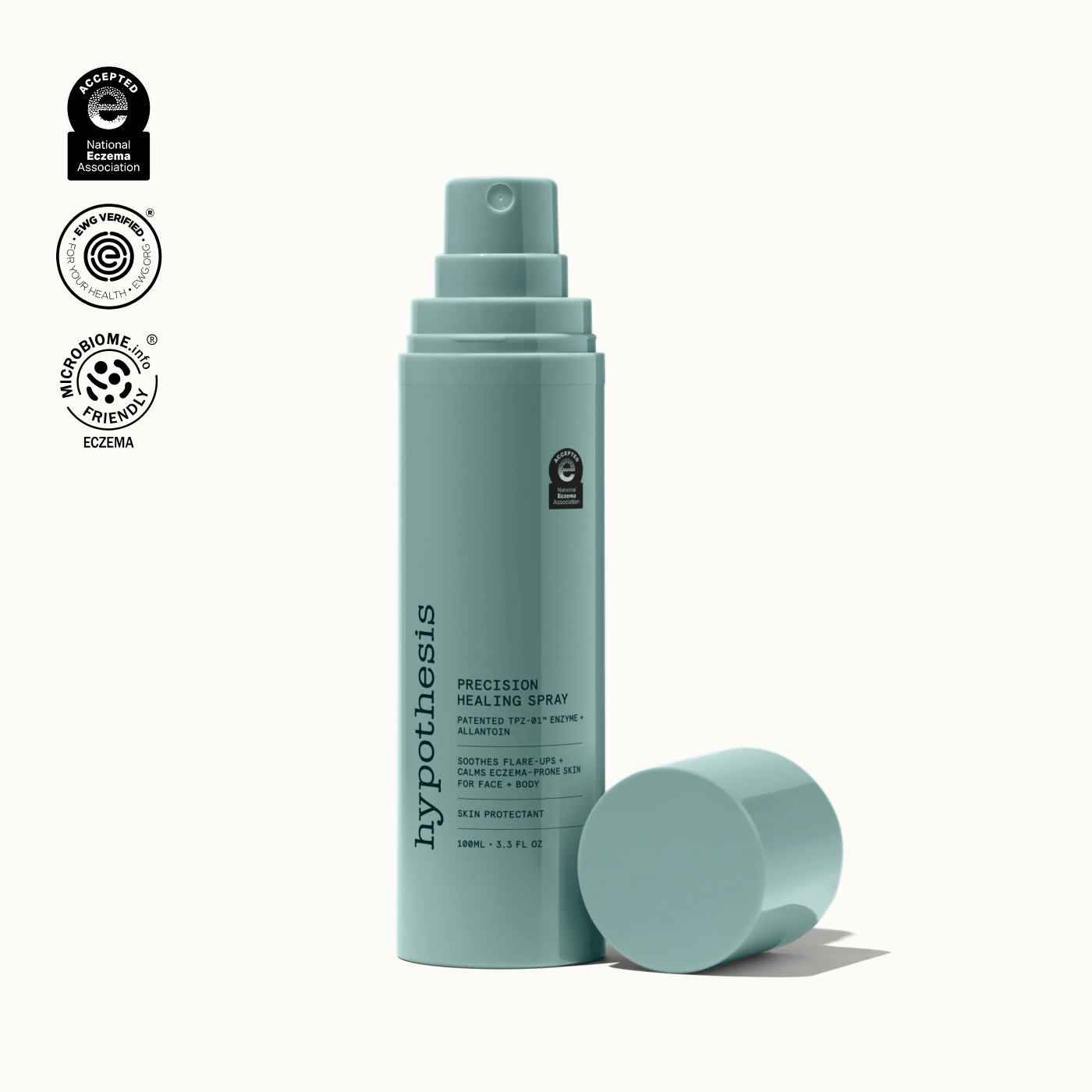
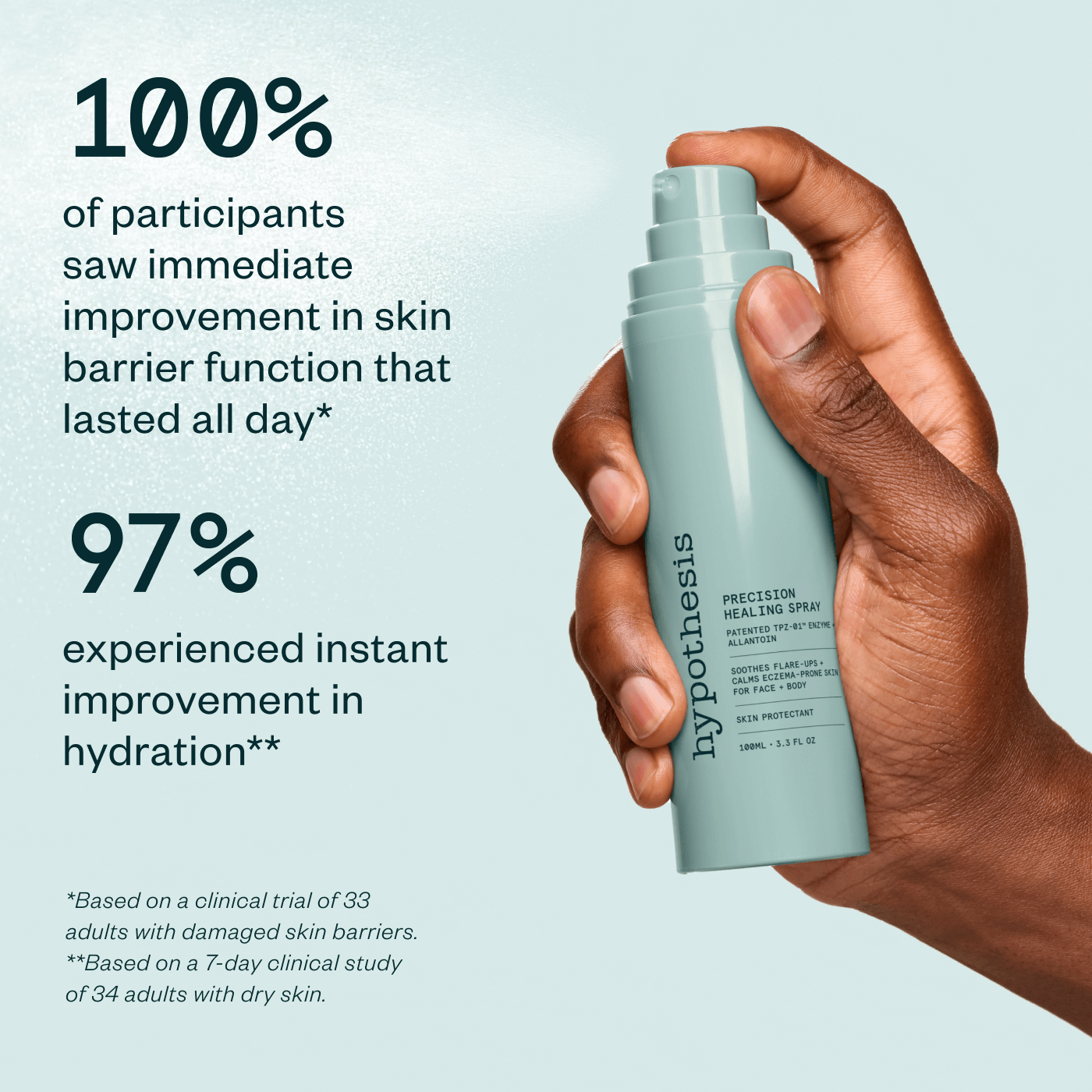
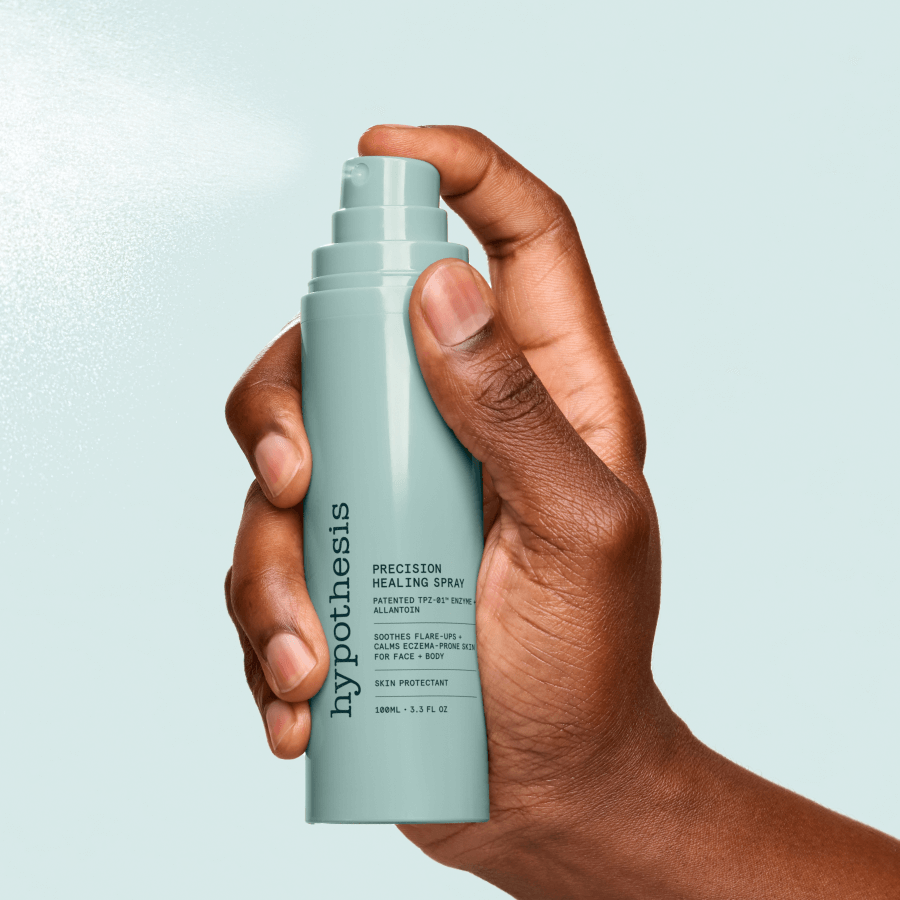
- Our Precision Healing Spray offers convenient, no-touch application of TPZ-01™ for hard-to-reach areas or times when skin is too sensitive for rubbing in skincare.
Both formulas have earned the gold standards in certifications: EWG Verified®, National Eczema Association Seal of Acceptance™, Certified Microbiome-Friendly for eczema by MyMicrobiome, and Leaping Bunny Certified. Hypothesis™ is the first product line to achieve all four certifications simultaneously.
2. Intelligent Moisture
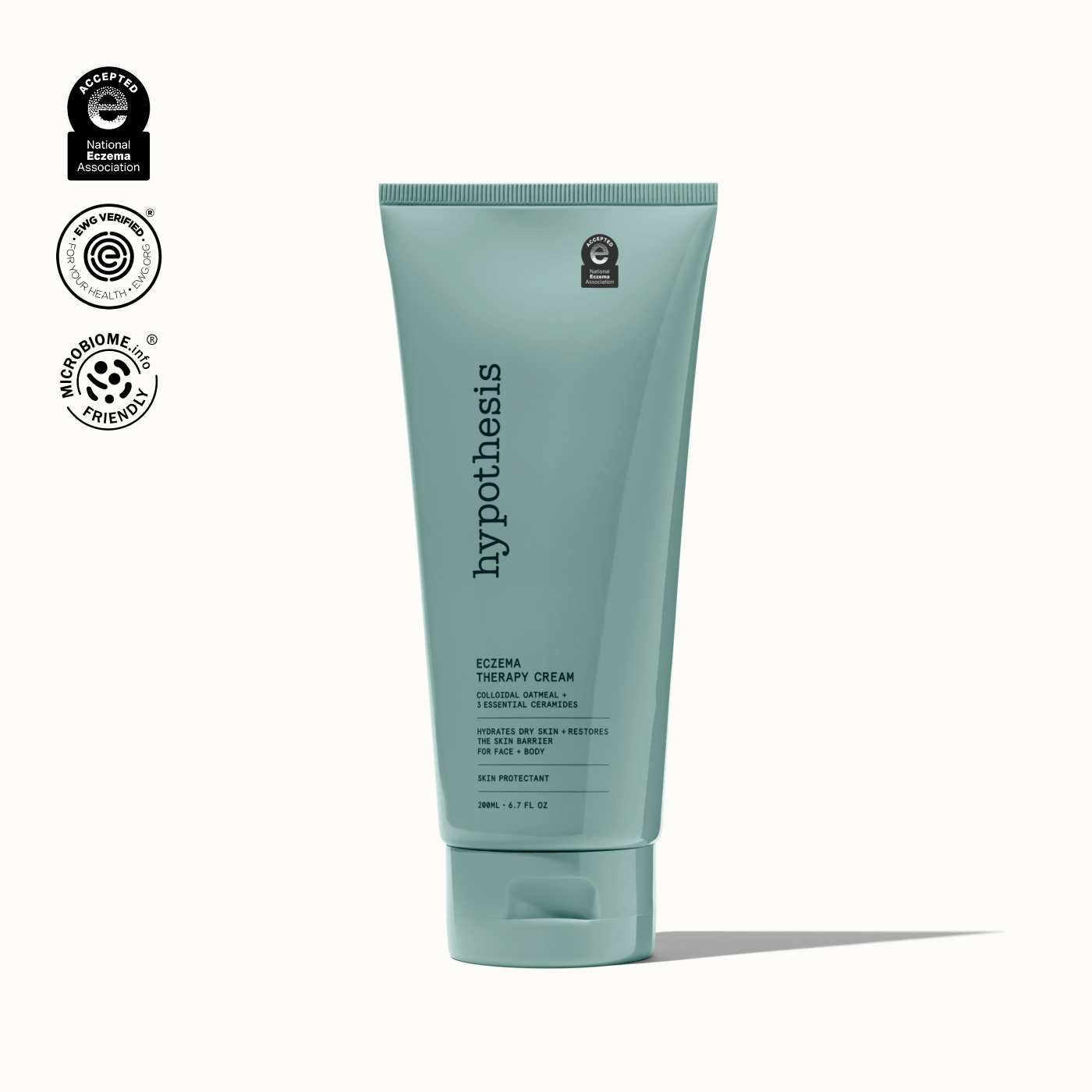
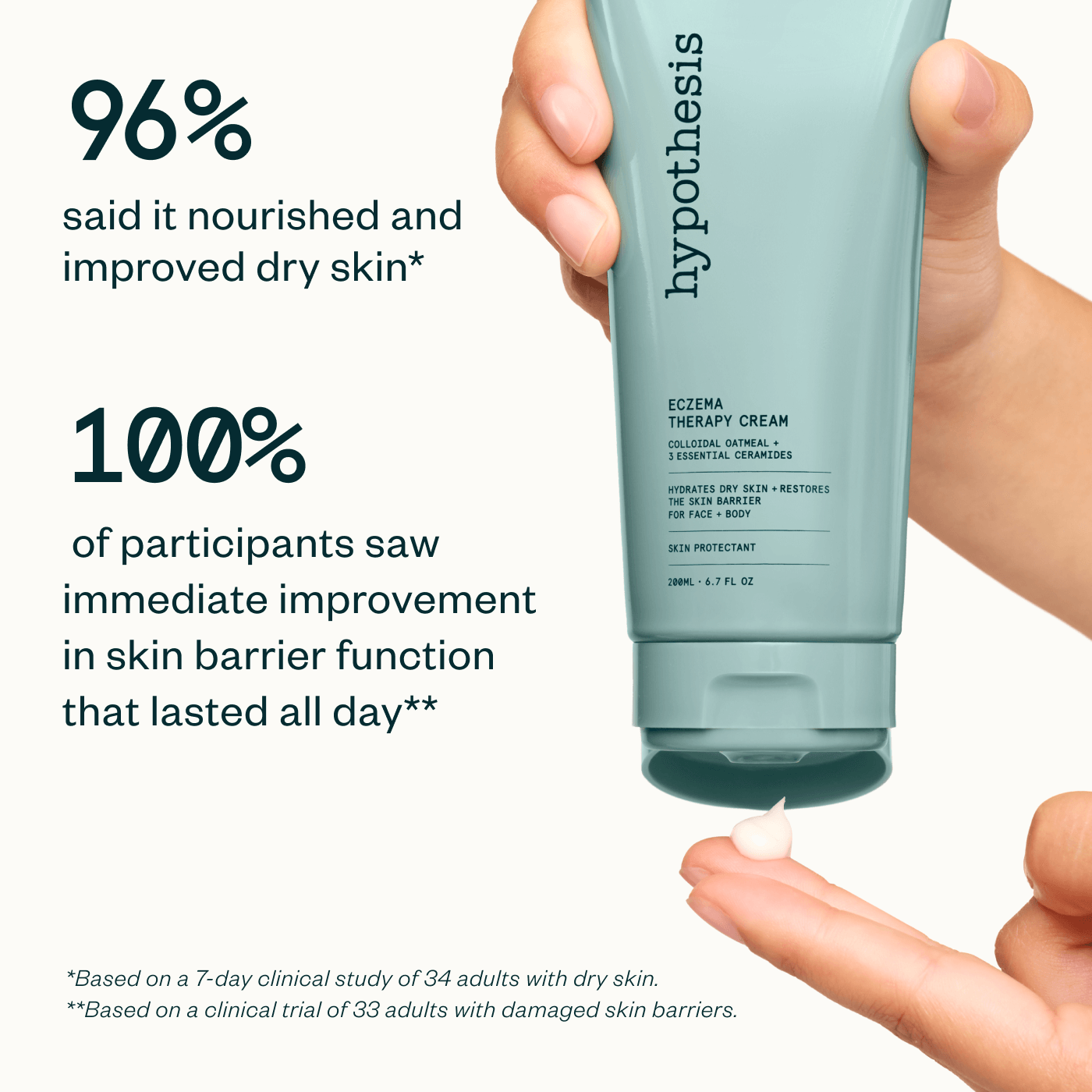
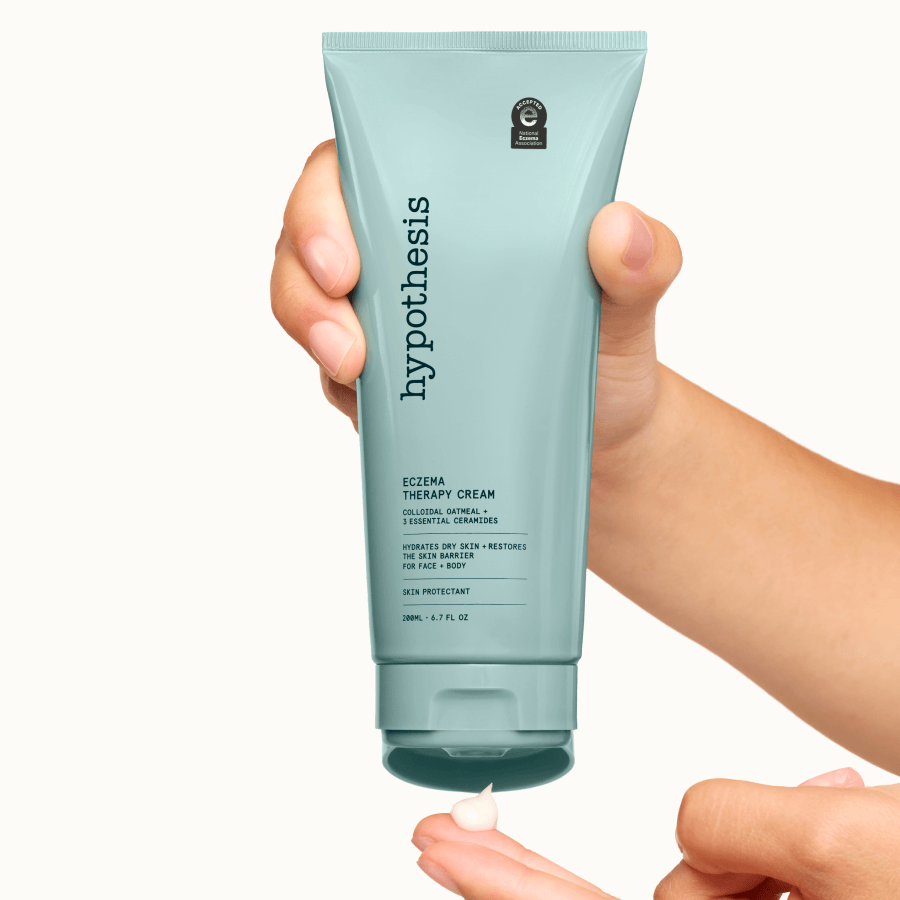
Effective winter care restores the skin's lipid matrix, not just surface moisture. Look for moisturizers like our Eczema Therapy Cream that are made with ceramides, cholesterol, or fatty acids that nourish both skin and its microbes, as well as moisture-attracting ingredients like hyaluronic acid and glycerin. The Eczema Therapy Cream is also specifically designed to work in parallel with the TPZ-01™ enzyme to seal in results. Apply Eczema Precision Hydrogel or Precision Healing Spray to damp skin right after bathing, layer on Eczema Therapy Cream to lock in moisture, and reapply several times a day during the colder months.
3. Gentle Cleansing
Choose fragrance-free, pH-balanced cleansers (around 5.5) with lipid-restoring ingredients. Limit showers to 5–10 minutes with lukewarm water, pat dry, and moisturize within a few minutes.
4. Optimize Your Environment
Maintain indoor humidity at 40–50% to help skin retain moisture, keep bedrooms cool (65–68°F—overheating can also trigger flares), and wear breathable cotton layers beneath wool or synthetics to prevent irritation.
5. Proactive Prevention
Don’t wait until winter arrives to keep eczema flares in check. Begin intensive moisturizing before winter fully sets in, track your specific triggers, consider a fall dermatologist visit, and check vitamin D levels if you're prone to deficiency.
The Future of Eczema Management
As understanding of the skin microbiome deepens, eczema care is evolving from a purely barrier-focused model to one that nurtures the skin's ecosystem.
"The future of eczema care may be in formulations that restore both the barrier and the skin microbiome,” says Lio. “As we learn more about how Staph aureus drives inflammation, microbiome-focused ingredients are poised to play an increasingly important role.”
Winter doesn't have to mean inevitable flares. An effective cold-weather skincare strategy combines barrier repair with targeted microbiome support, consistent trigger management, and medical care when needed. With a comprehensive approach addressing both barrier function and microbial balance, many people with eczema can maintain calmer skin throughout the cold months.
Disclaimer: This article is for informational purposes only and is not a substitute for professional medical advice. Always consult a qualified dermatologist for diagnosis and treatment.