

eczema care
Eczema in Skin of Color
Eczema affects millions of people across every skin tone, but its appearance and impact can look very different on melanin-rich skin. For many in the Black, Brown, Asian, and Latinx communities, eczema often begins with what looks like dry, ashy patches or small bumps. Over time, these areas can become intensely itchy, disrupt sleep, and develop into chronic cycles of thickened skin, lasting pigment changes, and persistent inflammation.
Why Is Eczema Underdiagnosed in People of Color?
Most public eczema care information still reflects how the condition appears on lighter skin: bright red patches and clearly visible irritation. On deeper skin tones, eczema rarely matches those images.
"Redness is harder to see in darker skin tones, yet redness is heavily used in standard eczema severity scores,” explains Dr. Omer Ibrahim, MD, MBA, board-certified dermatologist. “This means eczema severity may be underestimated in patients with skin of color, sometimes leading to undertreatment."
The result: people with deeper skin tones often receive delayed diagnoses and less aggressive treatment despite experiencing the same—or greater—severity of symptoms.
How Eczema Appears on Black and Brown Skin
On lighter skin, eczema typically shows as red, inflamed patches. On darker skin tones, eczema may present as:
- Dark brown, gray, or purple patches
- Ashy or dull areas with flaking
- Small bumps or rough, thickened texture
- Dark or light marks that remain long after flares resolve
These differences shape how eczema is recognized—and too often, how it's missed or undertreated.
Why Those Marks Stay—And What You Can Do
One of the most frustrating—and misunderstood—aspects of eczema on melanin-rich skin are changes in skin color. These changes can go in either direction: lighter or darker, depending on how the skin responds to eczema-driven inflammation.
Hypopigmentation refers to a lightening of the skin caused by a temporary reduction in melanin production by pigment cells called melanocytes. During eczema flares, inflammation can produce chemical signals that slow melanocyte activity. Once flares resolve, lighter areas may remain for weeks or months. This is called post-inflammatory hypopigmentation and is very common in deeper skin tones. In some cases, stronger topical steroids or injections can also suppress pigment production. It is important to remember that in both these cases, pigment cells are not permanently damaged, and color usually returns over time.
Post-inflammatory hyperpigmentation is the opposite response. Inflammation can trigger melanocytes to overproduce pigment, leaving brown, gray, or purple marks after flares settle. These marks are especially common in skin of color and can persist if inflammation keeps recurring.
When it comes to reducing and preventing these pigment changes, the key is to control inflammation early and consistently. That means treating flares immediately—don’t try to wait it out. Start the eczema regimen that works for you. Keep the skin barrier well moisturized. Do what you can to stop the itch-scratch cycle since the mechanical stress from scratching can increase pigment changes. Use daily sunscreens as UV exposure can make hyperpigmentation worse. Hypothesis products containing the patented TPZ-01 enzyme can help reduce harmful Staph aureus bacteria that drives inflammation during flare-ups.
"Redness is harder to see in darker skin tones, yet redness is heavily used in standard eczema severity scores. This means eczema severity may be underestimated in patients with skin of color, sometimes leading to undertreatment."
— Dr. Omer Ibrahim, MD
How Eczema Affects Daily Life
Beyond the visible flares, eczema disrupts daily life in ways that often go unrecognized. Persistent itch interrupts focus, work, and sleep. Night after night of lost sleep affects mood, energy, and mental health. Visible marks can remain long after a flare subsides, impacting confidence and self-image. And frustration builds when inconsistent or incomplete care doesn't address the specific ways eczema shows up on your skin.
These aren't small inconveniences—they're daily realities that deserve better recognition and better solutions.
The Same Biology Across All Skin Tones
While eczema on darker skin tones looks different, the underlying biology is identical. Eczema is driven by a weakened skin barrier, an overactive immune response, and disruption in the skin's microbiome—especially overgrowth of Staph aureus during flares. Recognizing these shared foundations while acknowledging the unique ways eczema shows up on darker skin leads to more accurate, inclusive, and effective care.
What's Happening Beneath the Surface
Understanding what drives eczema helps explain why it behaves the way it does.
- A sensitive skin barrier loses moisture easily, making skin more vulnerable to irritants
- The immune system overreacts to small triggers like sweat, heat, or rough fabrics
- Environmental irritants amplify symptoms—pollution, harsh soaps, synthetic fabrics
- Staph aureus bacteria overgrowth can dominate during flares, increasing inflammation and pigment risk
Staph aureus doesn't discriminate by skin tone—it drives flares in everyone. But when eczema is missed or undertreated in people with darker skin, bacterial imbalance can persist longer, intensifying inflammation and increasing the risk of lasting pigment changes.
A Consistent Eczema Routine Can Help
1. Support the Skin's Microbiome
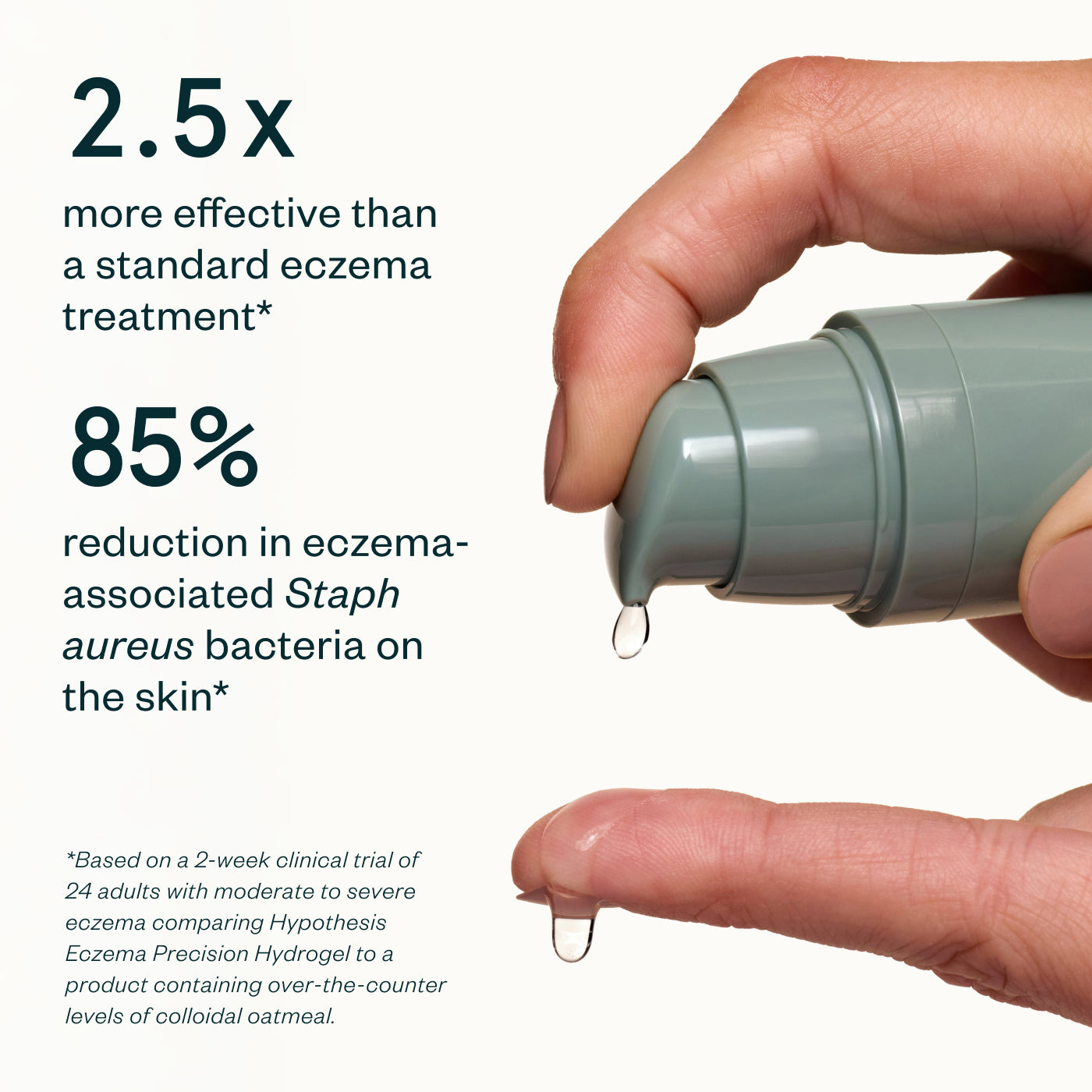
Recent research shows that Staph aureus overgrowth drives much of the inflammation, itch, and barrier damage in eczema. Targeting this bacterial imbalance—while preserving beneficial bacteria—is increasingly recognized as essential to long-term eczema management.
Hypothesis™ developed TPZ-01™, a patented precision enzyme that’s been clinically tested and proven to:
- Target and kill Staph aureus, the bacteria behind eczema flare-ups
- Preserve beneficial bacteria on skin
- Restore and support a healthier, more balanced microbiome
- Reduce eczema symptoms 2.5x more effectively than a standard eczema treatment.
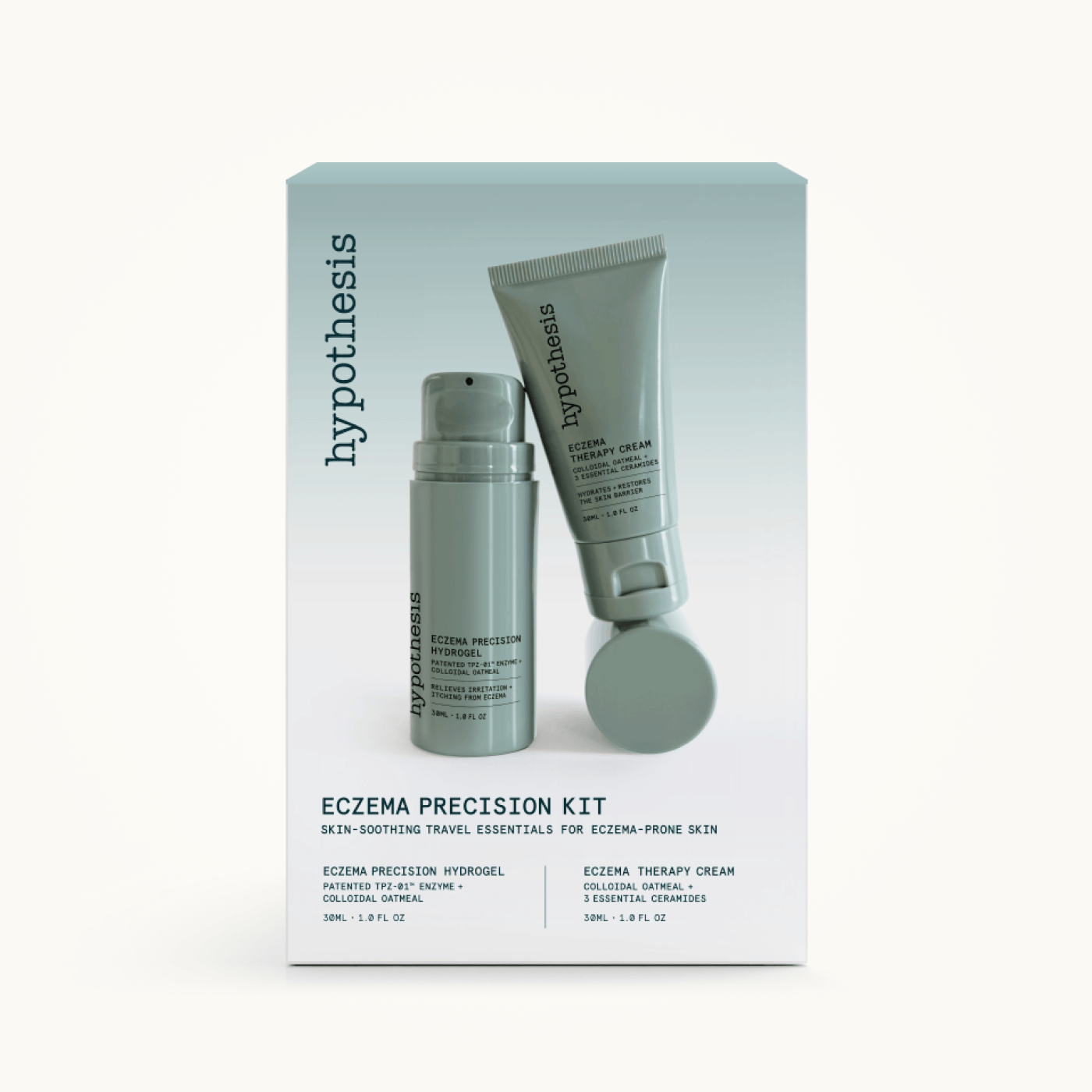
All three hypothesis™ products are designed for eczema-prone skin across all skin tones:
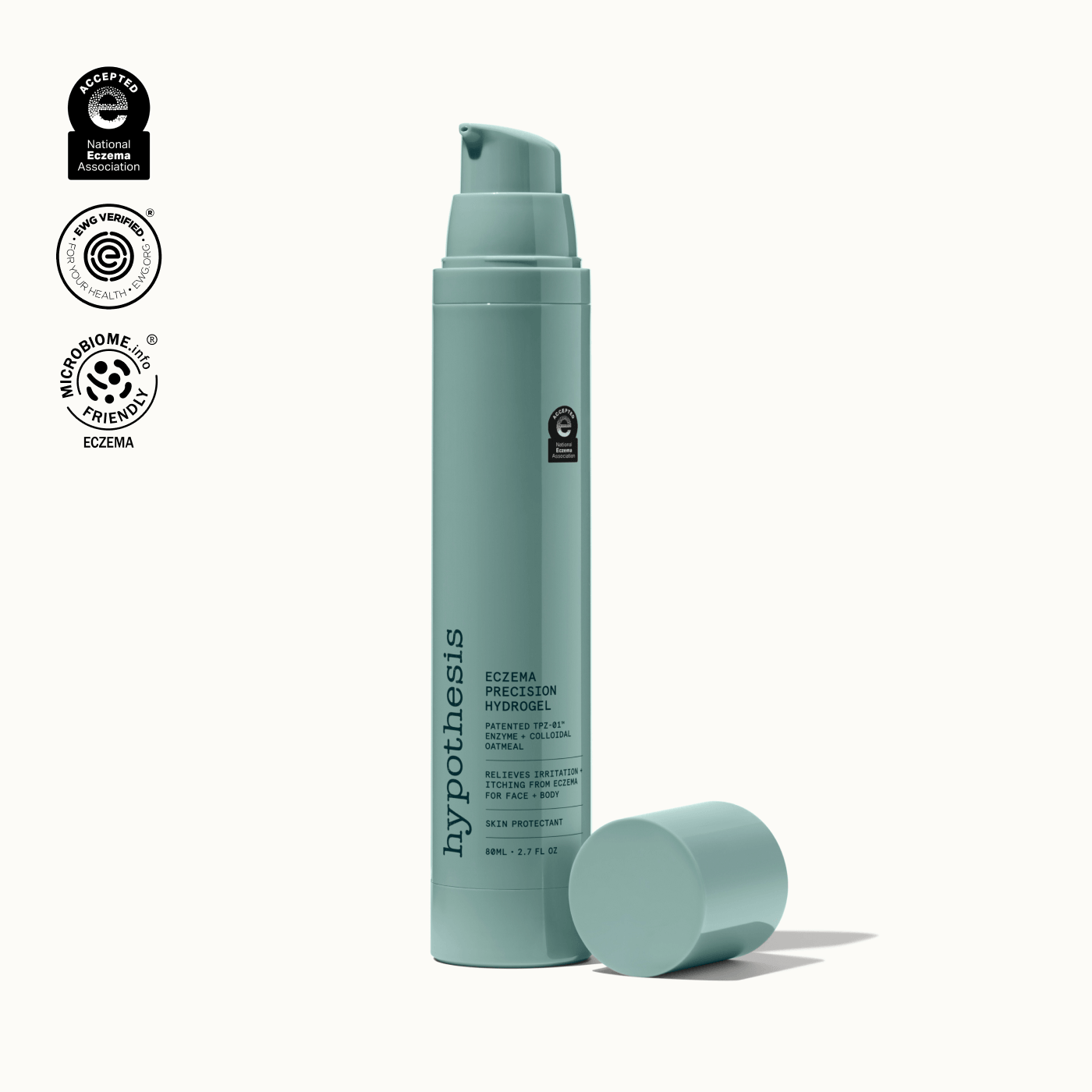
- Eczema Precision Hydrogel – Addresses flares at the source, with proprietary TPZ-01™ enzyme to kill eczema-causing Staph aureus bacteria.
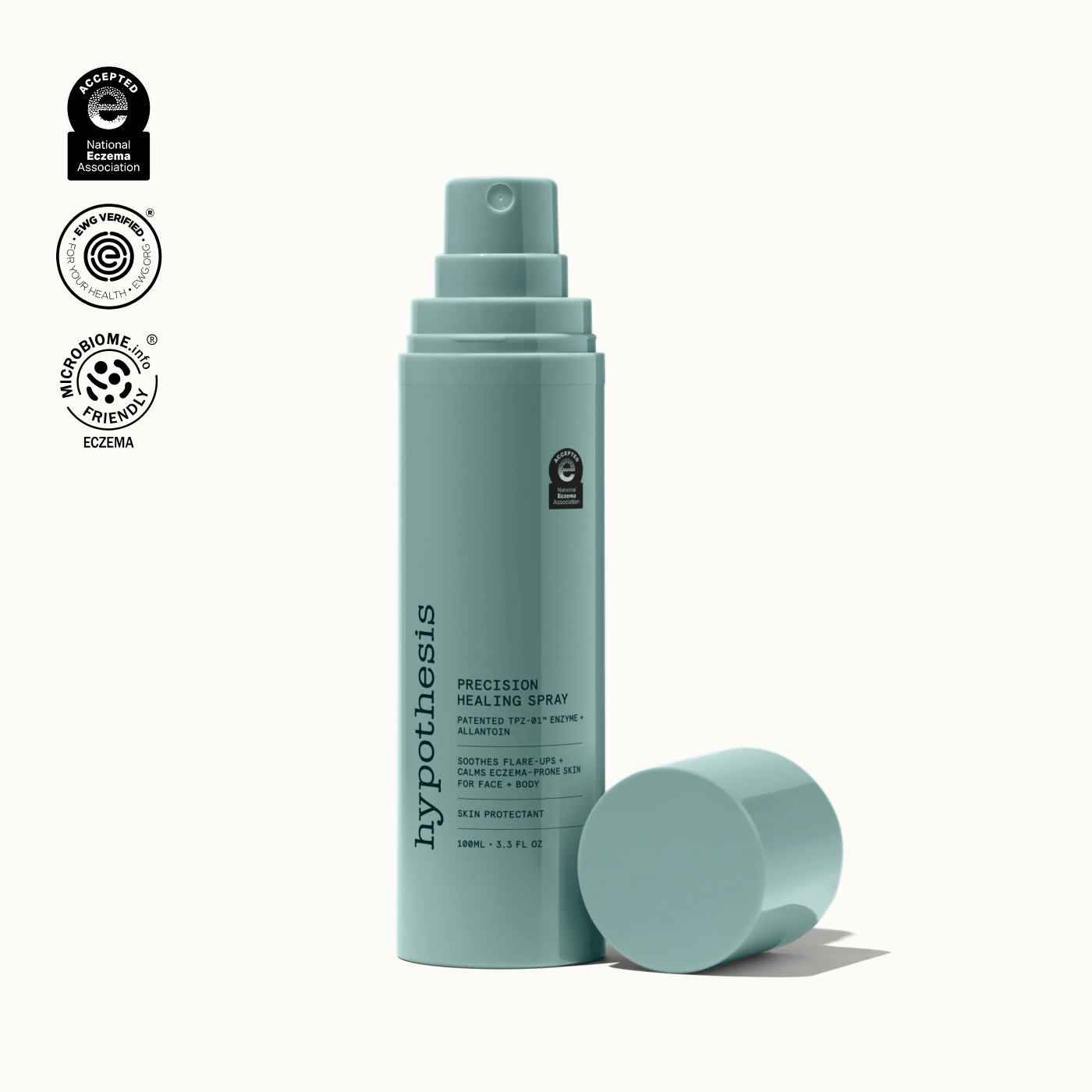
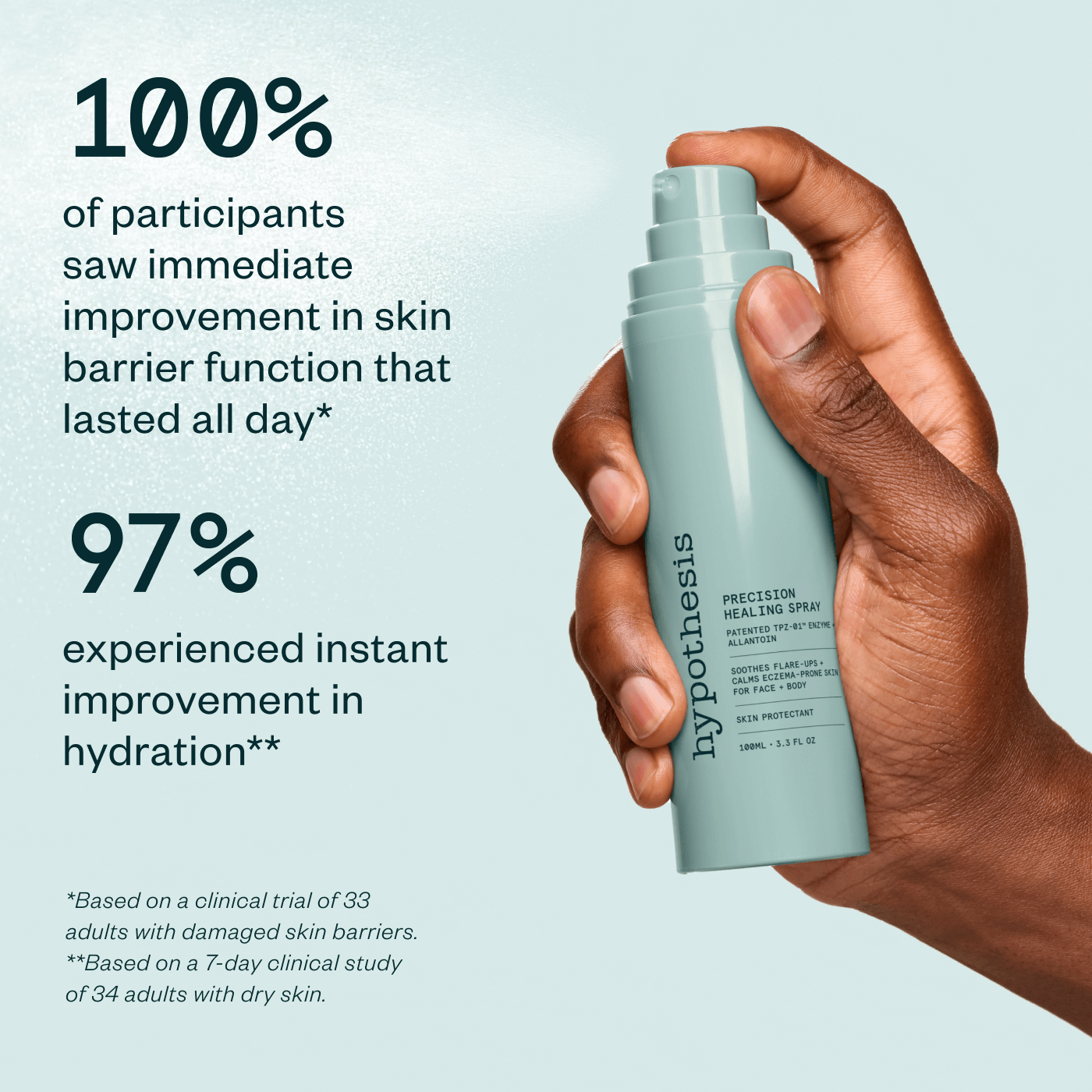
- Precision Healing Spray – Fights Staph aureus with TPZ-01™ in a convenient spray format for hard-to-reach areas.
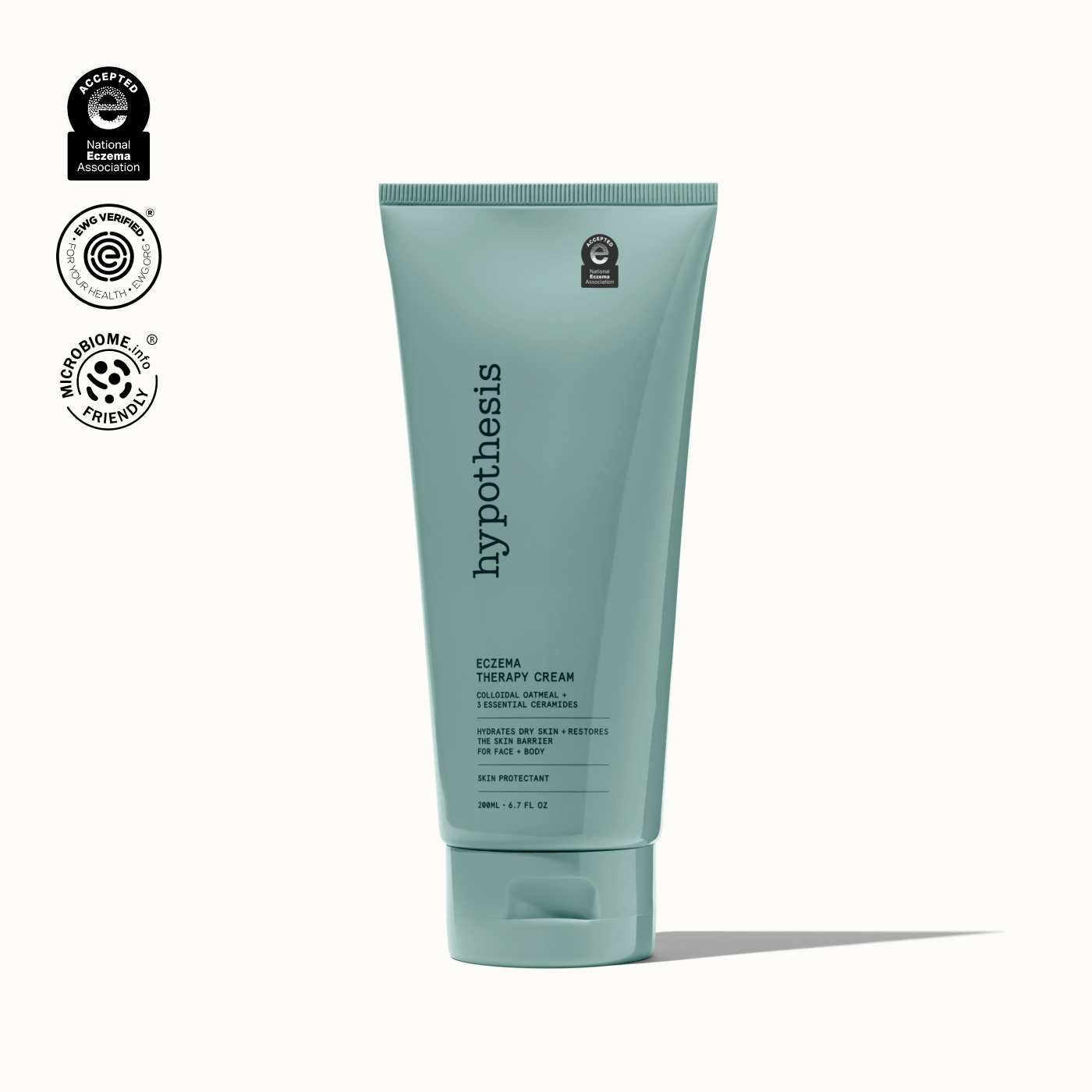
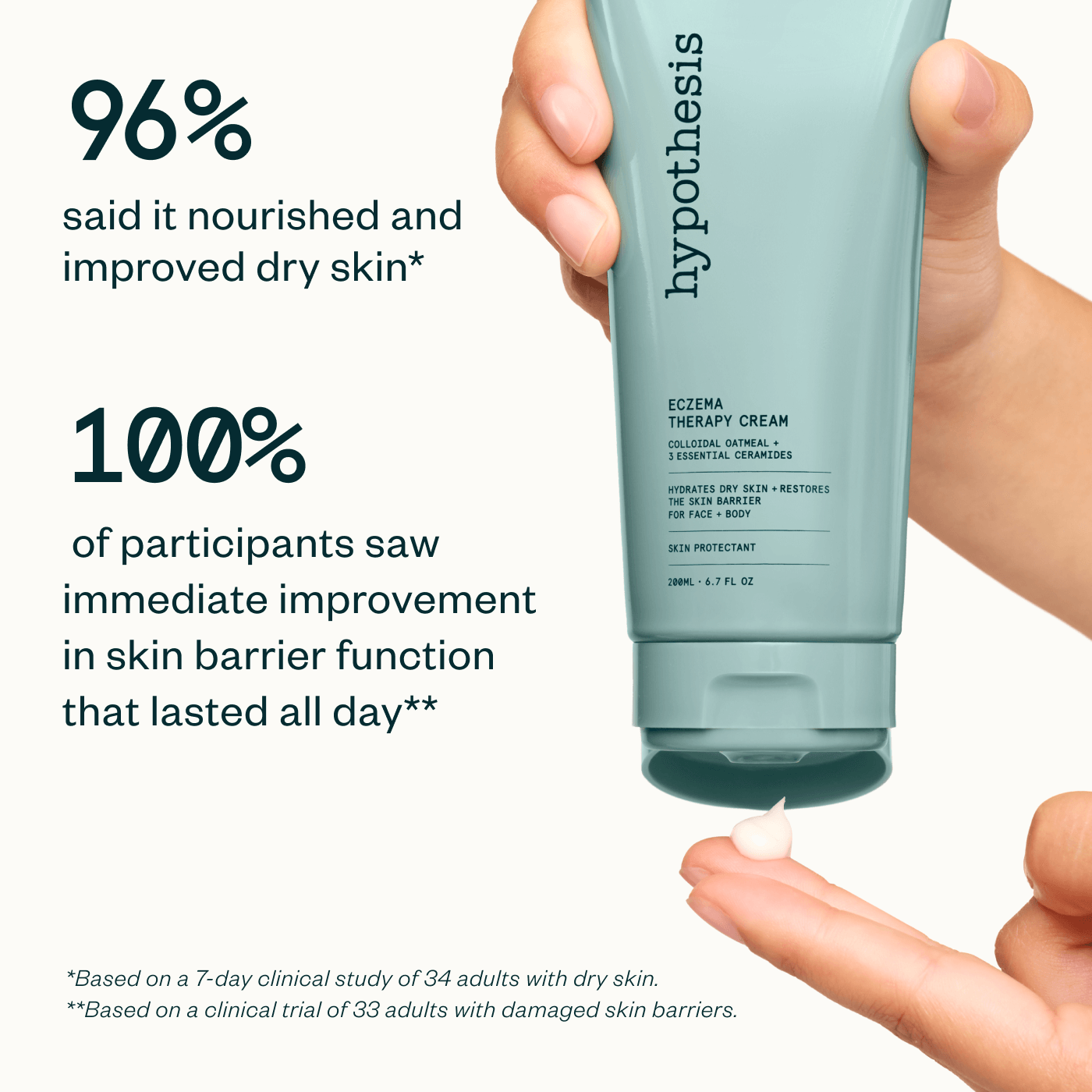
- Eczema Therapy Cream – Works synergistically with TPZ-01™ precision enzyme formulas by repairing the skin barrier and deeply hydrating.
All three products have earned four major certifications: National Eczema Association Seal of Acceptance™, EWG Verified®, Certified Microbiome Friendly for Eczema by MyMicrobiome, and Leaping Bunny (cruelty free).
2. Moisturize Daily (Especially After Bathing)
Use the "soak and seal" method: apply moisturizer like Eczema Therapy Cream to damp skin within 3 minutes of bathing to lock in hydration. Look for products with ingredients like ceramides, colloidal oatmeal, fatty acids. hyaluronic acid, or glycerin—these ingredients help repair and strengthen the skin barrier.
3. Be Gentle With Everything
- Use lukewarm water (not hot) for bathing
- Choose fragrance-free cleansers formulated for sensitive skin
- Pat dry with soft towels instead of rubbing
- Wear breathable fabrics like cotton
4. Be Consistent—Even When Skin Looks "Good"
Eczema management isn't about reacting to flares—it's about preventing them. Daily moisturizing, trigger avoidance, and early intervention when you notice the first signs of irritation can reduce flare frequency and severity over time.
Why Steroid Creams Need Careful Use for Skin of Color
Topical steroids can be effective when used strategically, but they require careful management. Overuse may cause skin thinning or pigment changes, which can be especially problematic on melanin-rich skin where marks already persist longer. Strategic, guided use matters. Work with a healthcare provider to find the right balance for your skin.
Moving Forward with Confidence
Eczema in melanin-rich skin is the same biology expressed across a range of skin tones. With a clearer understanding of how it presents, what drives it, and how to manage it effectively, it's possible to reduce flares, minimize lasting marks, and improve day-to-day comfort. There is rarely a single solution to eczema, but incorporating hypothesis™ into your daily care routine can reduce flare-ups caused by Staph aureus and maintain a healthy microbiome for better long-term outcomes. And most importantly, it supports skin's natural balance across all skin tones.
Disclaimer: This content is educational only and not a substitute for medical advice. Always consult a healthcare provider for diagnosis and treatment recommendations.