

eczema care
How to Shave with Eczema
For many men with eczema, shaving can feel like a daily gamble. You want to look clean and professional, but a few hours later redness appears, itching intensifies, and irritation spreads across the face and neck. What should be a simple grooming step often becomes a predictable trigger.
Shaving places real stress on eczema-prone skin. Friction, heat, and repeated razor passes can weaken the skin barrier and trigger inflammation. Understanding why shaving affects eczema—and how to adjust your routine—can make shaving far easier on sensitive skin. "While shaving is a daily essential for many men, careful preparation and technique can prevent eczema flare-ups," says Jeff Yu, MD, board-certified dermatologist and Chair of Dermatology at Virginia Commonwealth University. "Shaving with the grain, not shaving too close to the skin, using hypoallergenic skin products like fragrance-free shaving cream, and avoiding the stinging aftershave can all help prevent skin irritation."
Quick Tips for Shaving with Eczema
If shaving regularly triggers irritation, small changes can help reduce stress on the skin:
- Shave after a warm shower to soften facial hair
- Use fragrance-free shaving products
- Shave with the direction of hair growth, not against it
- Use light pressure and avoid repeated passes
- Replace razor blades frequently
- Apply a gentle moisturizer immediately after shaving
- Avoid alcohol-based aftershaves
These steps help protect the skin barrier and reduce irritation that can lead to eczema flares.
Can Shaving Trigger Eczema?
Yes. Shaving can trigger eczema irritation because it disrupts the skin barrier — the outer protective layer that keeps moisture in and irritants out.
Eczema-prone skin already has a weakened barrier, making it more reactive to physical stress. Shaving introduces friction, microscopic cuts, and temporary inflammation that can make redness, itching, and sensitivity more likely.
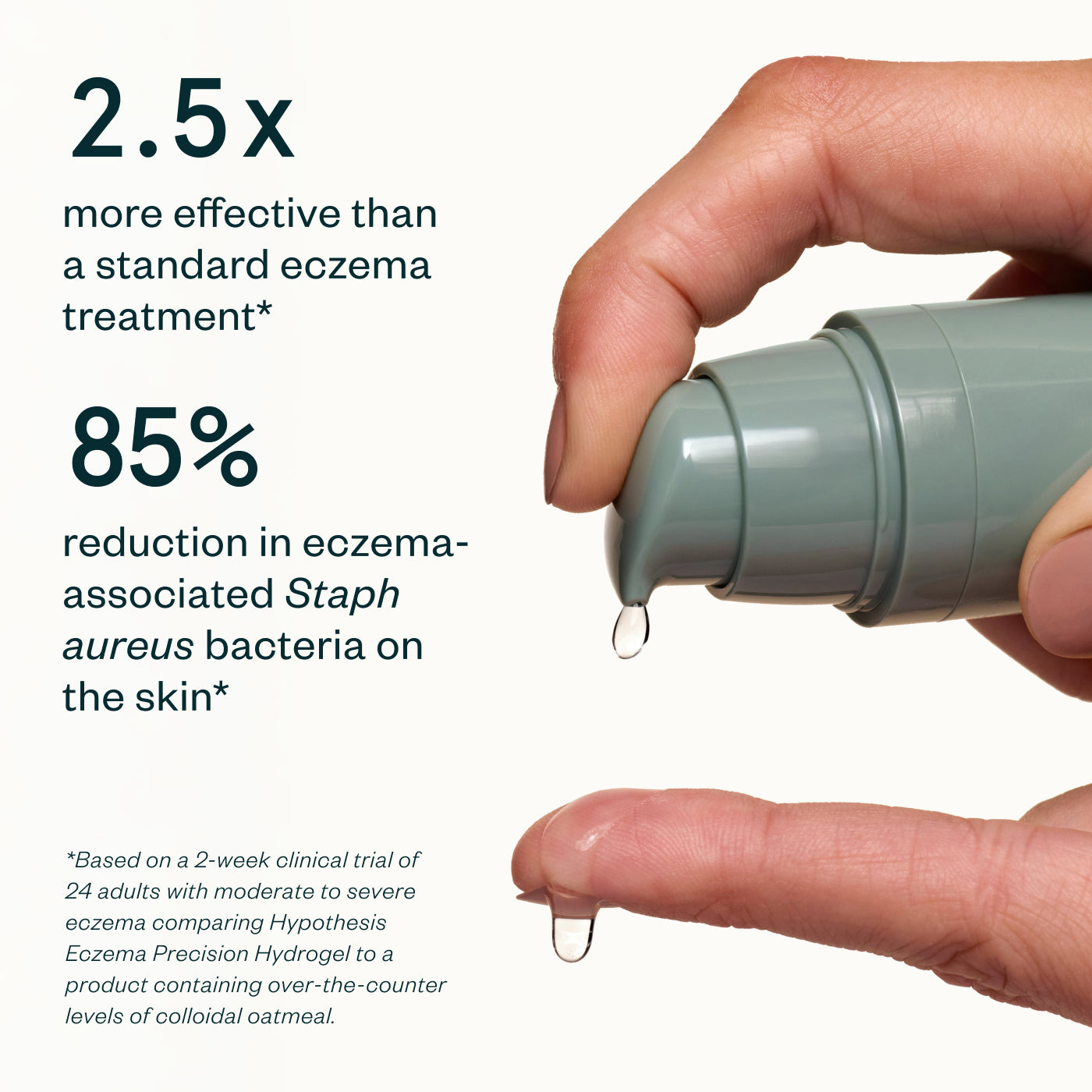
Research also shows that people with eczema often carry significantly higher levels of Staphylococcus aureus (Staph aureus) on their skin compared with healthy individuals. When the skin barrier is disrupted it gives Staph aureus the opportunity to take over the skin’s microbiome, increasing inflammation and exacerbating flares.
Why Shaving Often Makes Eczema Worse
Even when done carefully, shaving changes the skin in several ways that matter for people with eczema.
Micro-Cuts Weaken the Skin Barrier
Every razor pass can create tiny cuts and abrasions that are invisible to the eye. Healthy skin typically repairs these quickly.
However, eczema-prone skin already has a compromised barrier. These micro-injuries make it easier for irritants, allergens, and bacteria to enter the skin, which can trigger redness, burning, and itching shortly after shaving.
Shaving Removes the Skin’s Protective Layer
Shaving acts as a form of exfoliation, removing some of the outermost skin cells.
For people with eczema, this outer layer plays an important role in protecting the skin from environmental stress. When it’s removed, deeper layers of skin become exposed and more reactive. This is why freshly shaved skin may feel tight, dry, or sensitive.
Heat and Friction Increase Inflammation
Warm water, razor pressure, and repeated strokes all generate friction.
Areas like the neck, jawline, and beard line are especially prone to irritation. In eczema-prone skin, that irritation can quickly build into redness or itching that resembles a flare.
Electric razors may reduce cuts, but they can still generate friction and heat that stress sensitive skin.
Shaving Can Disturb the Skin’s Microbial Balance
The skin hosts a complex ecosystem of bacteria known as the skin microbiome, which helps regulate inflammation and support the skin barrier.
Research shows that eczema-prone skin often carries higher levels of Staphylococcus aureus compared with healthy skin. When shaving disrupts the skin barrier, irritation and inflammation can become more likely.
Why Razor Bumps and Folliculitis Are Common with Eczema
Many men assume post-shave bumps are simply razor burn. In reality, they are often folliculitis, a condition where hair follicles become inflamed or irritated.
This can occur when shaving irritates the follicle opening and bacteria enter the follicle. Small red bumps or pus-filled spots may appear along the beard line or neck.
Because eczema weakens the skin barrier, follicles are often more vulnerable to irritation and bacterial entry. This is why people with eczema may experience recurring razor bumps or persistent post-shave breakouts.
Is an Electric Razor Better for Eczema?
Electric razors are often recommended for sensitive skin because they typically cause fewer cuts than traditional blades.
Electric shavers cut hair slightly above the skin surface, which reduces the risk of micro-cuts. However, they can still create friction and heat across the skin.
For some people with eczema, electric razors are gentler. For others, careful blade shaving works just as well. The key is minimizing friction and protecting the skin barrier regardless of the method used.
Using a sensitive-skin setting and avoiding excess pressure can help reduce irritation.
Should You Shave During an Eczema Flare?
Dermatologists often recommend avoiding shaving during an active eczema flare whenever possible.
Inflamed skin is more fragile and prone to irritation, infection, and delayed healing. Shaving during a flare can worsen redness and itching.
If shaving is necessary, using an electric razor with minimal pressure may reduce additional irritation.
The Best Way to Shave with Eczema
Small adjustments to your shaving routine can make a meaningful difference. Dermatologists typically recommend focusing on three stages: preparation, technique, and recovery.
1. Prepare the Skin Before Shaving
Proper preparation helps protect the skin barrier.
Helpful steps include:
- Shaving after a warm shower to soften facial hair
- Using fragrance-free shaving products
- Avoiding harsh foaming formulas
- Applying a gentle moisturizer before shaving
Hydrated skin is generally more resilient during shaving.
2. Reduce Friction During Shaving
Your tools and technique matter.
Try to:
- Use a clean, sharp razor
- Replace blades frequently
- Shave with the direction of hair growth
- Avoid repeated passes over the same area
- Use light pressure
Slow, gentle shaving reduces cumulative irritation.
3. Help Skin Recover After Shaving
The minutes immediately after shaving are when the skin is most vulnerable.
After shaving:
- Rinse with cool water
- Pat the skin dry rather than rubbing
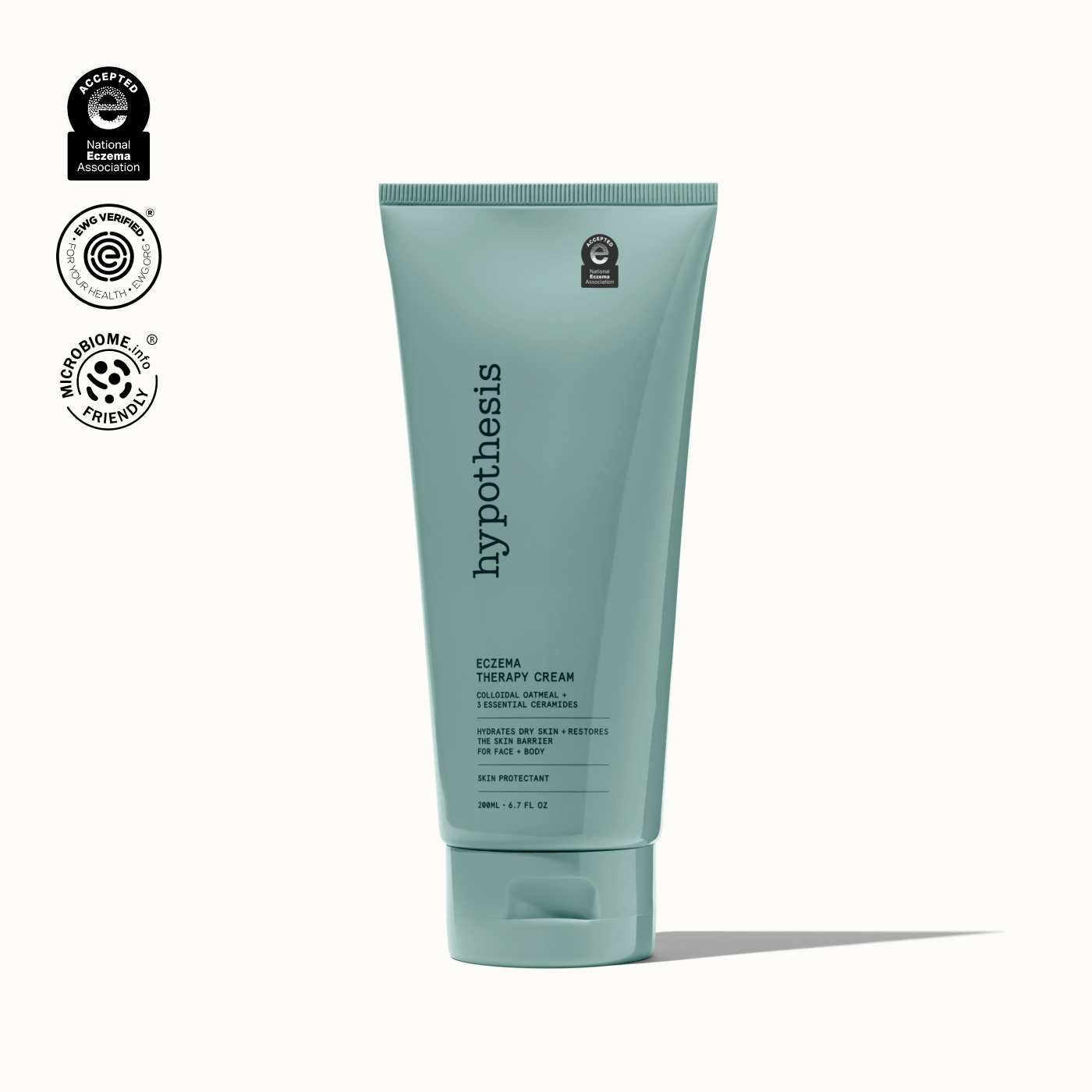
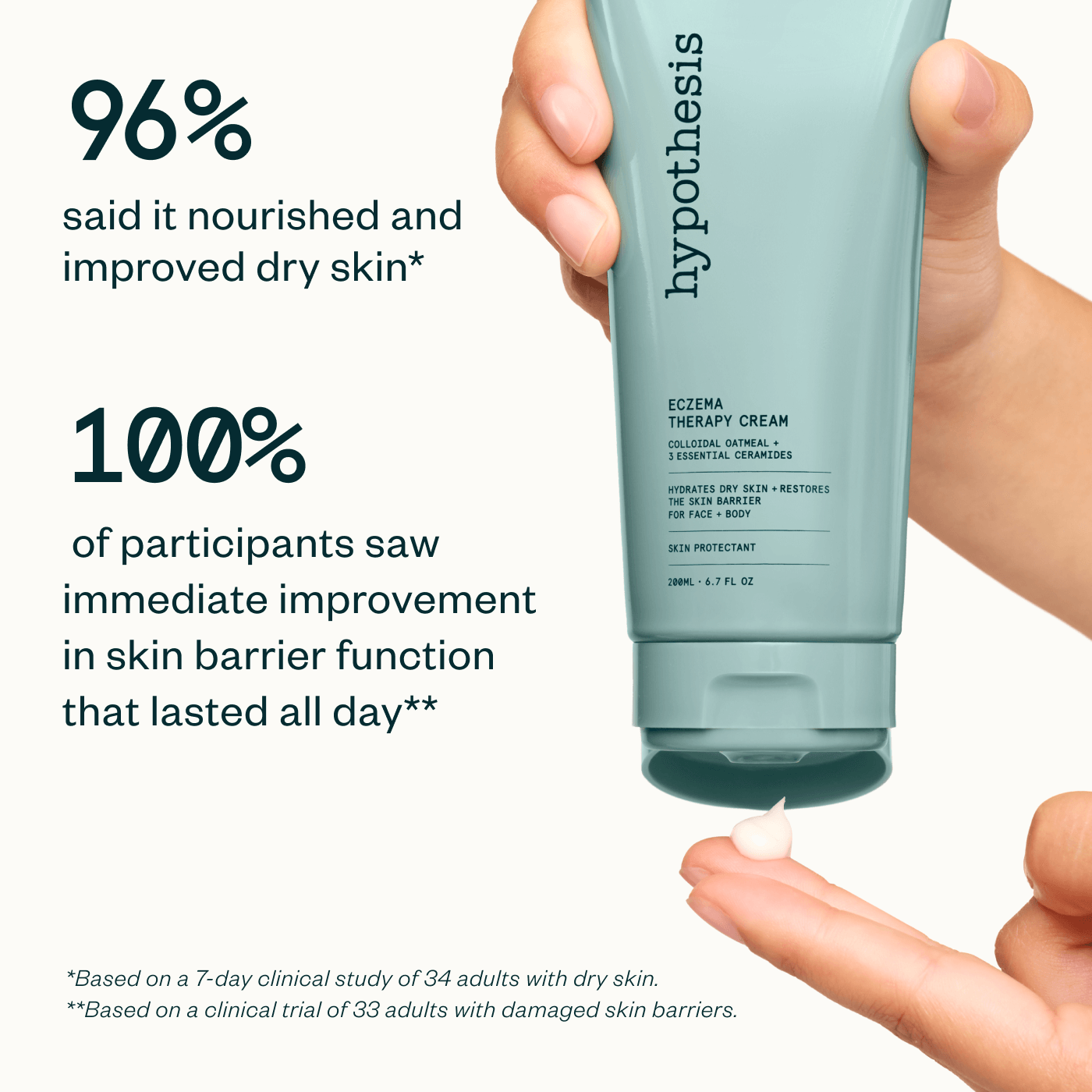
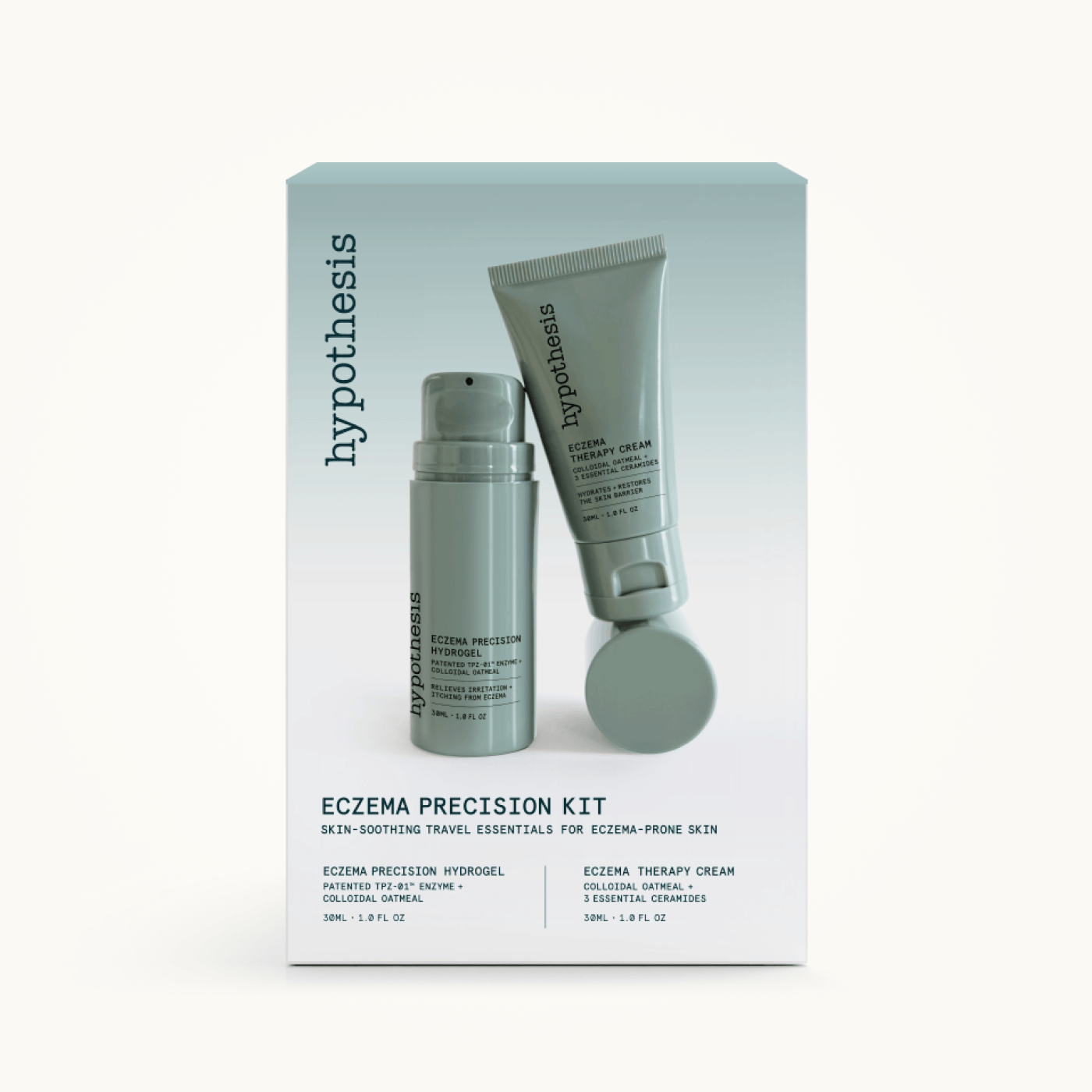
- Apply a gentle moisturizer like Eczema Therapy Cream to help repair the skin barrier.
- Avoid alcohol-based aftershaves
Supporting the skin barrier after shaving can help prevent irritation from developing into a flare.
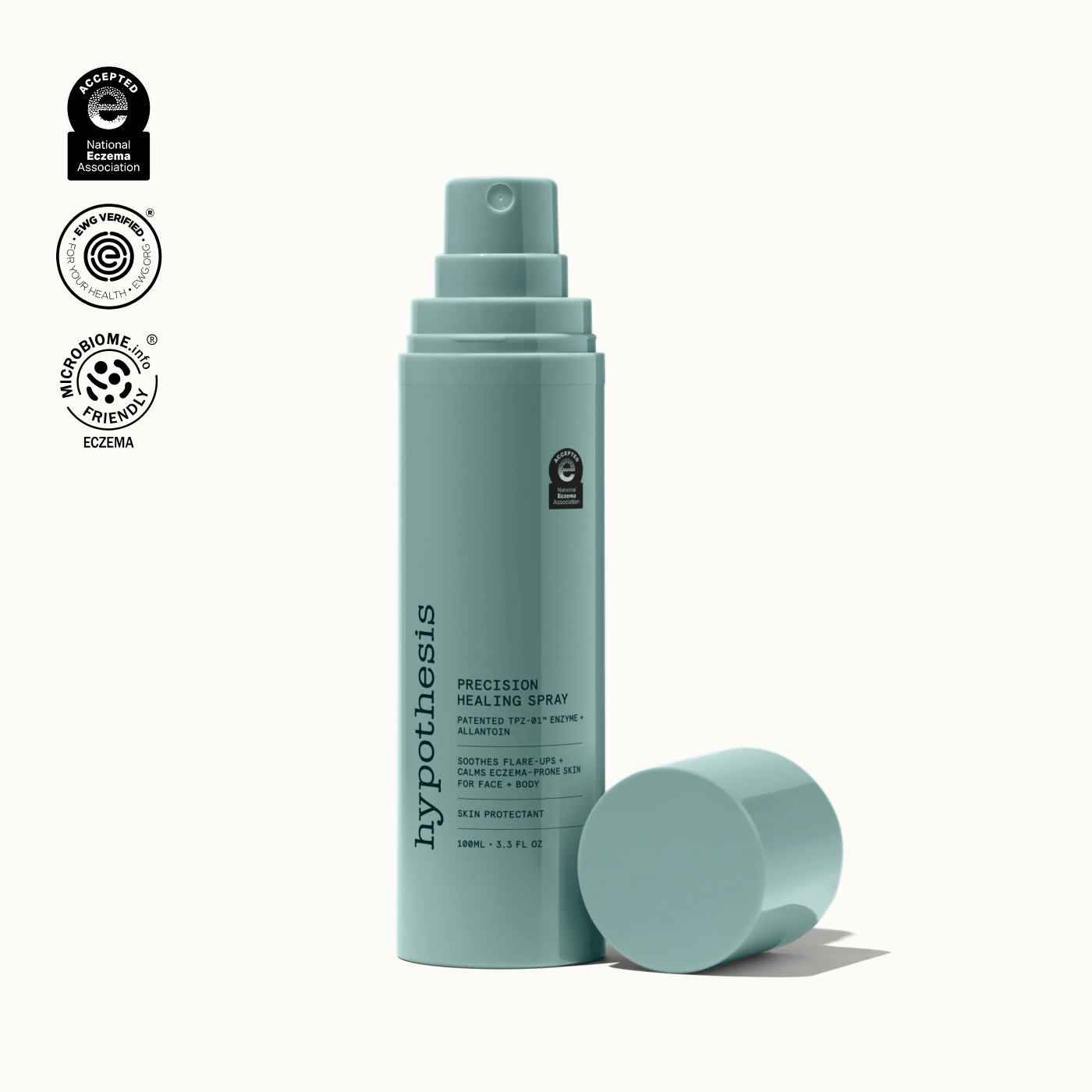
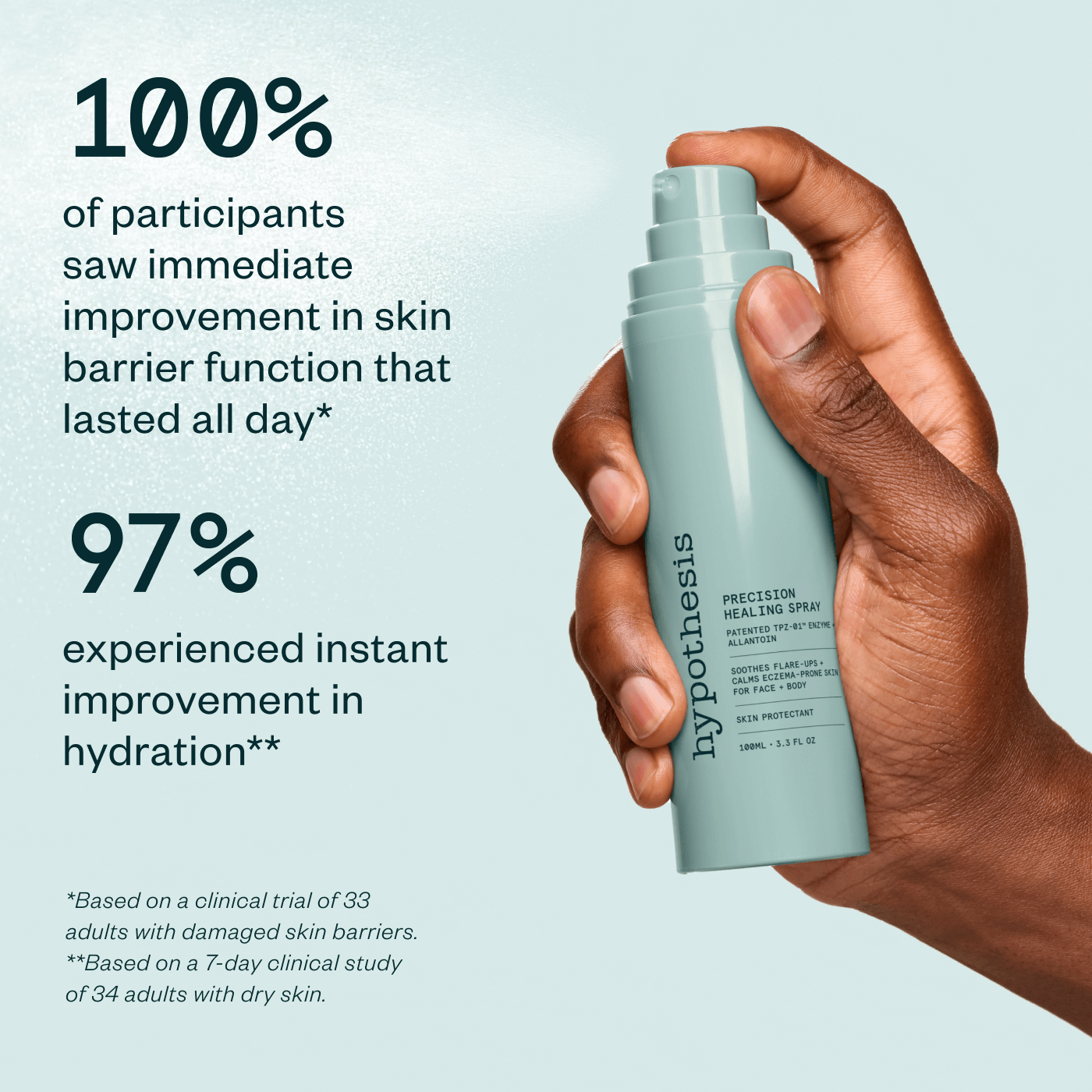
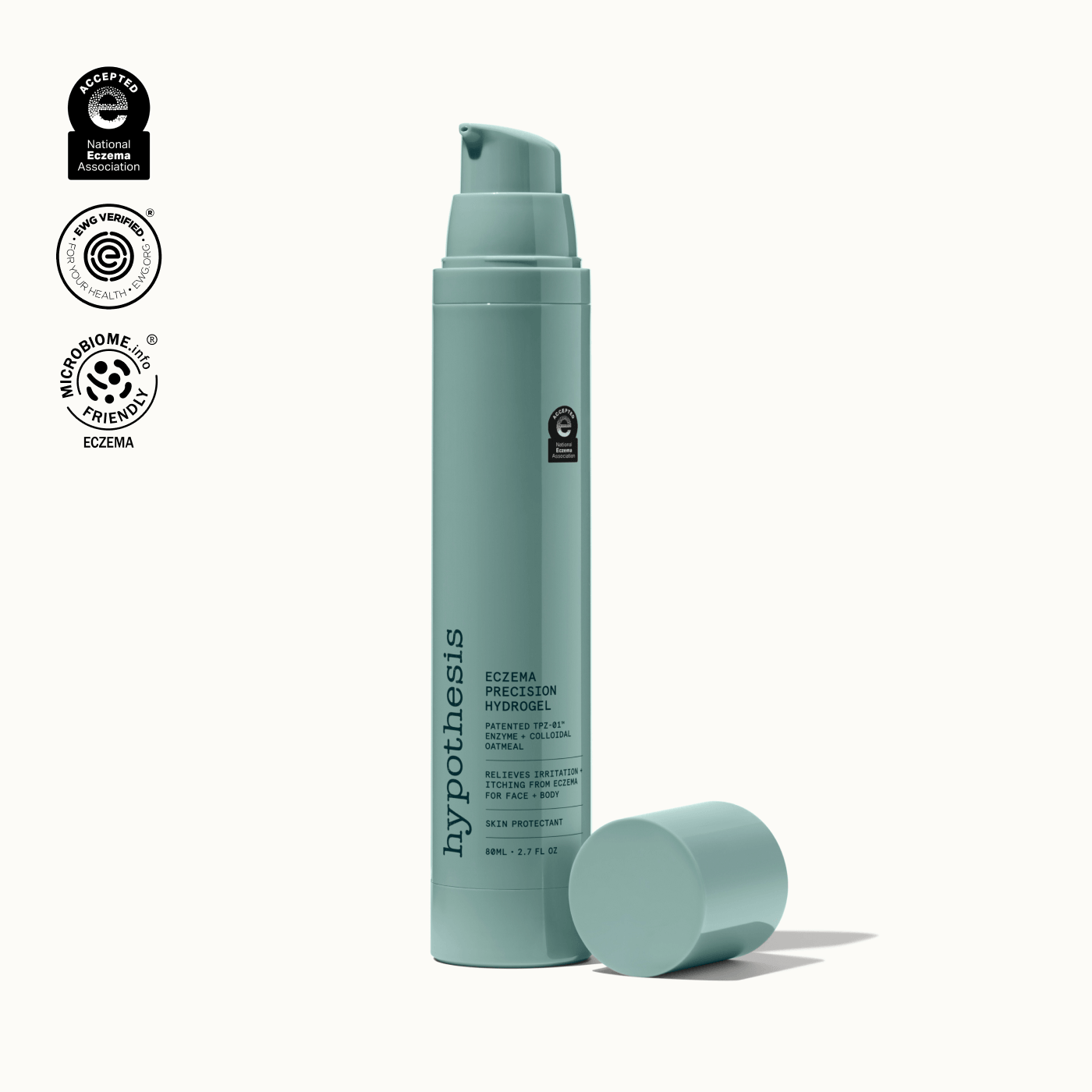
It’s also worth remembering that the bacteria linked to eczema flares is present on the skin continuously — not just during a flare or immediately after shaving. A consistent daily skincare routine between shaves can help keep that baseline in check, so each shave places less stress on the skin. Hypothesis™ Eczema Precision Hydrogel and Precision Healing Spray both specifically target flare-causing Staph aureus bacteria to rebalance the microbiome while preserving the protective, beneficial bacteria that skin needs to stay resilient. Applying either or both in conjunction with Eczema Therapy Cream helps to treat the bacterial trigger of eczema flares while rebuilding the skin barrier.
When to See a Dermatologist
Shaving irritation can sometimes overlap with other skin conditions such as folliculitis or infection.
Consult a dermatologist if you experience:
- Frequent or worsening razor bumps
- Painful or pus-filled follicles
- Spreading redness or warmth
- Irritation that does not improve with gentle skincare
A dermatologist can help determine the cause and recommend appropriate treatment.
A Better Approach to Shaving with Eczema
Shaving with eczema does not have to be a daily struggle.
Understanding how shaving affects the skin barrier — and why eczema-prone skin is more sensitive to friction and irritation — makes it easier to adjust your routine.
With the right preparation, gentle technique, and proper skincare, shaving can become a far more comfortable and predictable part of everyday life.
Disclaimer: This article is for informational purposes only and is not a substitute for professional medical advice. Always consult a dermatologist for personalized care recommendations.