

eczema care
Eczema and the Microbiome: How Staph Aureus Drives Flare-ups

For many people living with eczema, flare-ups follow a frustrating and familiar script. It often begins with a small patch of dry, itchy skin. The itch grows harder to ignore as the day goes on. Eventually you scratch—just a little, hoping for relief. By the next morning the skin is red, raw, and more inflamed than before. What started as a minor irritation has turned into another full-blown flare. The itching continues, and the cycle repeats.
That cycle isn't a coincidence. Over the past two decades, a growing body of clinical and microbiome research has shown that eczema, also known as atopic dermatitis, is driven by three interconnected factors that feed on each other: a weakened skin barrier, an overactivated immune system, and an imbalanced skin microbiome. These three forces don't just coexist—they reinforce one another in a cycle that keeps eczema going.
Current eczema treatments focus on the first two factors, either strengthening the skin barrier with moisturizers or calming the immune system with steroid creams. The pieces of the puzzle that have been overlooked until recently are the skin microbiome and the role of a harmful bacteria called Staph aureus (Staphylococcus aureus).
Understanding how Staph aureus fuels the eczema cycle helps explain why moisturizers and steroid creams sometimes aren’t enough to keep flare-ups from coming back, and points to a new approach to eczema care.
ECZEMA IS A THREE PART PROBLEM
Eczema isn’t just a surface-level skin problem. It’s driven by what dermatologists call the itch–scratch–inflammation cycle.
With eczema, the skin barrier is more vulnerable than normal skin, making it easier for irritants and allergens to trigger inflammation. This inflammation activates nerve endings, producing intense itching. Scratching temporarily relieves the sensation, but it also damages the skin barrier further. Once compromised, the skin becomes even more inflamed, triggering more itching.
Three interconnected factors drive this cycle:
A weakened skin barrier. The outer layer of skin is supposed to act like a seal, keeping moisture in and irritants, allergens, and microbes out. In people with eczema, this barrier is structurally compromised. Genetic factors can play a role here: many people with eczema have mutations in a protein called filaggrin, which is essential for building a strong barrier. But the barrier can also weaken in response to environmental triggers, inflammation, and microbial activity.
An overactivated immune system. Eczema-prone skin is characterized by a chronically overactive immune response that can treat relatively harmless things like allergens, irritants, and even normal skin bacteria as threats. That immune response generates inflammation that damages skin and drives the intense itch that defines eczema. This overactive immune state is also, unfortunately, one of the conditions that makes the skin more hospitable to harmful bacteria.
Microbiome imbalance, including Staph aureus overgrowth. Healthy skin hosts a diverse community of microorganisms—bacteria, fungi, and other organisms—that collectively protect the skin, support the immune system, and help maintain the skin barrier. In people with eczema, this community becomes imbalanced. Microbial diversity drops, and a harmful bacteria called Staphylococcus aureus or Staph aureus takes over. This shift is a key driver of flares and disease severity—but it's also deeply intertwined with the other two factors.
These three drivers don't exist in isolation. They feed on each other to drive the itch-scratch-inflammation cycle that, once established, tends to be self-reinforcing:
Barrier dysfunction → Staph aureus overgrowth → itching, scratching, and inflammation → more skin barrier damage → more Staph aureus growth and invasion → worse symptoms
The itch-scratch-inflammation cycle is one of the central mechanisms driving eczema severity and progression. It's what dermatologists who specialize in eczema try to manage, and breaking this cycle is the key to effective eczema care.
THE ECZEMA SKIN MICROBIOME AND STAPH AUREUS
Your skin isn't just a passive barrier. It's a living ecosystem home to trillions of bacteria, fungi, and other microorganisms. In healthy skin, this community plays a crucial role in protecting you: keeping pathogens at bay, supporting your immune system, and helping maintain the integrity of your skin barrier.
A healthy skin microbiome is characterized by a diversity of species coexisting in balance. When that balance is disrupted—when certain species disappear and one dominant species takes over—it's called dysbiosis.
Dysbiosis is a defining feature of the eczema skin microbiome. Dermatologists have long known that Staph aureus is more common in people with eczema. Studies consistently show that 70–95% of people with eczema have Staph aureus on their skin, compared to only about 5–30% of the general population.
But what does this correlation mean? Is the increase in Staph aureus a secondary consequence of eczema, or does Staph aureus play an active role in the skin condition? Over the past 15 years, researchers have made huge strides in unraveling this question.
In 2012, researchers at the NIH, using cutting-edge tools for genetically sequencing and characterizing microbiomes, discovered that the levels of Staph aureus on the skin of people with eczema are not static. Instead, they found that the amount of Staph aureus spikes dramatically right before and during flare-ups—and the more Staph aureus there is, the worse the symptoms are. This finding was important: it suggests that Staph aureus isn't just a bystander present on inflamed skin, but an active participant in what triggers and amplifies flares.
“Researchers at the NIH found that the amount of Staph aureus spikes dramatically right before and during flare-ups—and the more Staph aureus there is, the worse the symptoms are.”
Since this study, other researchers have not only confirmed these results, they have begun to uncover how Staph aureus contributes to the itch-scratch-inflammation cycle. Staph aureus isn't just sitting passively on the skin. It actively produces toxins, enzymes, and other molecules that interfere with skin barrier function, fuel immune overactivation, and crowd out beneficial microbes—engaging all three drivers of eczema simultaneously.
HOW STAPH AUREUS CONTRIBUTES TO THE ECZEMA CYCLE
Staph aureus doesn't cause eczema on its own, but once it takes hold on eczema-prone skin, it amplifies the underlying drivers. If eczema triggers like irritants, allergens, and skin damage are the initial sparks, think of Staph aureus as the fuel that turns that spark into a full-fledged flare-up. Leading dermatologists have recently described Staph aureus as the “most critical” factor driving eczema severity and progression.
Staph aureus damages the skin barrier further. In people with eczema, the skin barrier is already compromised—often because of genetic factors (e.g. mutations in the filaggrin gene) or the wear of chronic inflammation. Staph aureus compounds this vulnerability by secreting enzymes and toxins that directly degrade the proteins and membranes holding skin cells together. The result is a “leakier” skin surface that's easier for allergens and bacteria to penetrate, and that’s increasingly hospitable to further Staph aureus growth.
Staph aureus amplifies immune overactivation. Eczema-prone skin is already primed toward an overactive immune response. Staph aureus intensifies this through toxins that act as what scientists call "superantigens"—molecules that bypass the immune system's normal process and trigger a massive inflammatory response. The resulting inflammation drives intense itch. It also suppresses the skin's natural bacteria-fighting proteins, making it harder for the body to keep Staph aureus in check—a feedback loop that benefits the bacteria and worsens the disease.
“Leading dermatologists have recently described Staph aureus as the “most critical” factor driving eczema severity and progression.”
Staph aureus perpetuates the itch-scratch cycle. In 2023, researchers at Harvard Medical School identified an enzyme produced by Staph aureus that directly activates nerve fibers to cause itch. It was an entirely novel mechanism behind itch, and was the first time it was shown that itch could be caused by a microbe directly. The itch linked to eczema can be incredibly difficult to resist. Scratching physically damages the barrier further, creates new entry points for Staph aureus, and generates more inflammation—which produces more itch.
The eczema-prone skin environment makes all of this harder to reverse. Elevated skin pH is one factor: healthy skin is naturally acidic (around pH 5), which helps suppress harmful bacteria. But eczema-prone skin often shifts toward a more neutral pH, creating conditions that actively favor Staph aureus. Reduced beneficial fats and diminished microbial diversity compound the problem further, tilting the balance away from the beneficial skin bacteria that would normally keep Staph aureus in check. Species like Staphylococcus epidermidis and Staphylococcus hominis produce natural molecules that inhibit Staph aureus growth; as their populations decline, Staph aureus loses key natural competitors. Restoring a diverse microbiome is therefore not just about reducing Staph aureus, it's about recovering the ecosystem that naturally keeps it in balance.
THERE IS A GAP IN ECZEMA CARE
Given how central all three of these drivers are—weakened skin barrier, overactive immune system, and overgrowth of Staph aureus—you might expect standard treatments to tackle all three together. However, in practice, most eczema treatments only focus on the first two factors, leaving the microbiome largely unaddressed.
Moisturizers and emollients
Moisturizers are a cornerstone of eczema management, and for good reason: repairing the skin barrier is critically important. While they can reduce water loss through the skin and improve barrier function, they don't actively reduce Staph aureus colonization or restore microbial diversity.
Topical steroids
Steroid creams are the most commonly prescribed eczema treatment, and they're effective at suppressing inflammation—which is why they provide relief during flares. But they work by broadly and temporarily dampening immune activity, not by addressing the underlying microbiome imbalance. Once steroids are stopped, little has changed at the microbial level. he cycle tends to reassert itself, which is why many patients experience a rebound effect. Steroids also carry risks if they’re used too much, and are not recommended for long-term use.
Prescription biologic medications
Newer prescription biologic eczema treatments have been an important advance for moderate-to-severe eczema. These therapies target specific immune pathways, helping reduce inflammation and improve symptoms. However, they're expensive, often require injection, aren't appropriate for all patients, and do not directly target Staph aureus.
The microbiome gap
In short, the standard toolkit for eczema was built around managing inflammation and supporting the skin barrier—both valid and important goals that address two of the three drivers. But the microbiome piece of the puzzle, especially Staph aureus, was not well understood when most of these treatments were developed.
As the science has advanced, a significant gap has become clear: Staph aureus on eczema-prone skin is typically unaddressed and can leave the skin prone to flare-ups and vulnerable to even the smallest of eczema triggers kicking off a vicious itch-scratch-inflammation cycle.
Antibiotics are not a solution
One answer to a bacterial problem might seem to be antibiotics. However, while antibiotics and antiseptics like hypochlorous acid can temporarily reduce overall bacterial load, they are broad-spectrum and act indiscriminately. They kill good bacteria alongside harmful ones, and once treatment is stopped, Staph aureus can return even more aggressively to a microbiome with fewer natural competitors. Staph aureus is also increasingly resistant to antibiotics and routine use risks contributing to broader antibiotic resistance.
Leading dermatologists have been increasingly direct about this gap. At a recent medical conference, experts stated that “management of Staph aureus remains a highly unmet need, and a new therapeutic is needed to comprehensively treat atopic dermatitis.”
A NEW APPROACH: PRECISION TARGETING WITH TPZ-01™
Hypothesis™ is a new category of eczema care
We founded because we believed we had a solution to fill this gap: precision targeting of the microbiome with our patented TPZ-01™ enzyme technology.
TPZ-01™ is designed to target Staph aureus while preserving the beneficial bacteria in the microbiome. By selectively reducing Staph aureus without collateral disruption of the microbial community around it, TPZ-01™ can help return the eczema microbiome to long-term balance.
TPZ-01™ is based on a class of naturally occurring enzymes called lysins (sometimes called endolysins). Lysins are enzymes that can bind to bacteria and chew up their cell walls, causing the cell to pop like a balloon. Because the cell walls can differ between different bacterial species, lysins have the potential to target a single species of bacteria within a community of many types of bacteria.
We spent over two years in the lab developing and fine-tuning TPZ-01™, ensuring that TPZ-01™ not only has high specificity for Staph aureus bacteria but is also highly stable to enable long product shelf life.
TPZ-01™ is clinically proven
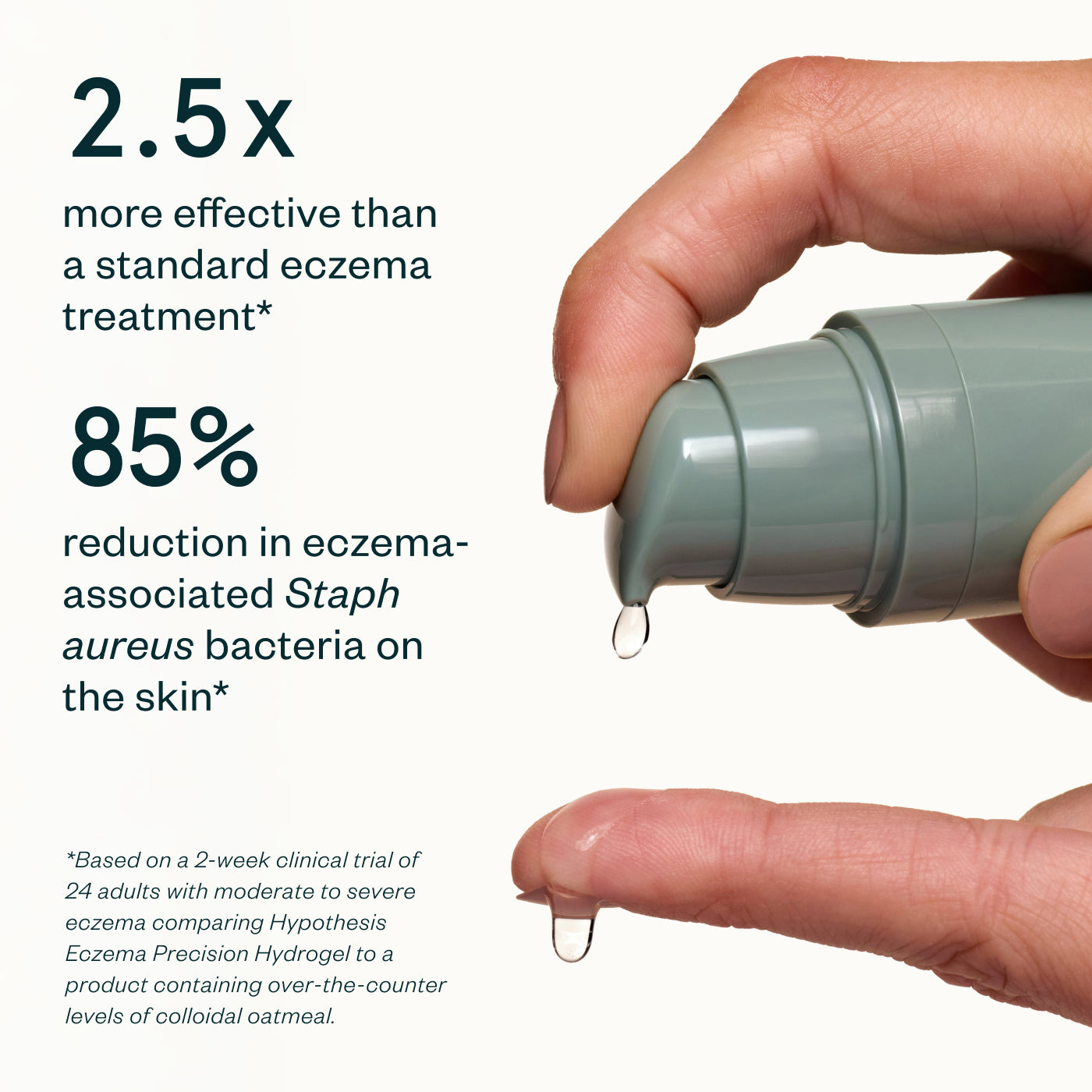
Most importantly, we have clinically validated TPZ-01™. In a dual-arm, formulation-controlled clinical trial of adults with moderate-to-severe eczema, participants using the Eczema Precision Hydrogel twice daily for two weeks saw a 62% decrease in clinically-scored symptom intensity (SCORAD intensity). In contrast, participants using an identical formulation without TPZ-01™ saw only a 25% decrease in symptoms, highlighting the benefit TPZ-01™ provides. When we look at the skin microbiome, we found that the Eczema Precision Hydrogel reduces Staph aureus on the skin by 85% while maintaining microbiome diversity and balance.
Hypothesis™ is also the first skincare brand to receive MyMicrobiome's Microbiome Safe for Eczema certification, which is only given to products proven to selectively reduce Staph aureus without disrupting the beneficial microbiome in their third-party testing. Our products also are EWG Verified and carry the National Eczema Association Seal of Acceptance highlighting our commitment to safety for sensitive skin.
“Hypothesis™ is the first skincare brand to receive MyMicrobiome's Microbiome Safe for Eczema certification, which is given to products proven to selectively reduce Staph aureus without disrupting the beneficial microbiome.”
How TPZ-01™ fits into your eczema care routine
Hypothesis™ products powered by TPZ-01™ are designed to work alongside existing eczema treatments, not necessarily to replace them. Moisturizers and anti-inflammatory treatments do important work on the barrier and immune sides of the cycle. TPZ-01™ addresses the microbiome component, reducing Staph aureus overgrowth in a targeted way that broader approaches can't achieve.
We believe a consistent eczema care routine that pushes back against all three drivers of the itch-scratch-inflammation cycle offers the best path to keeping eczema in check and can help keep small eczema triggers from exploding into full-blown flares.
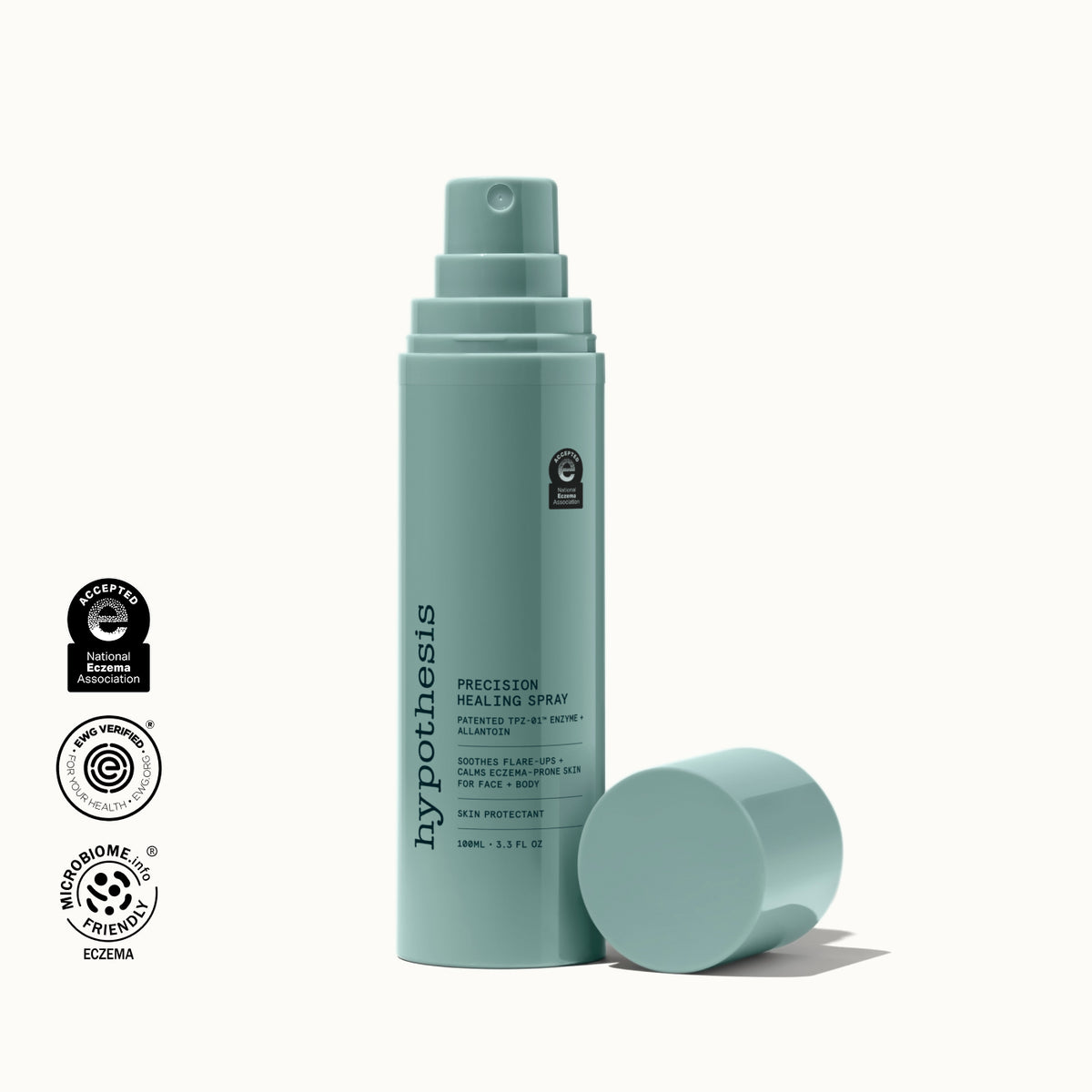
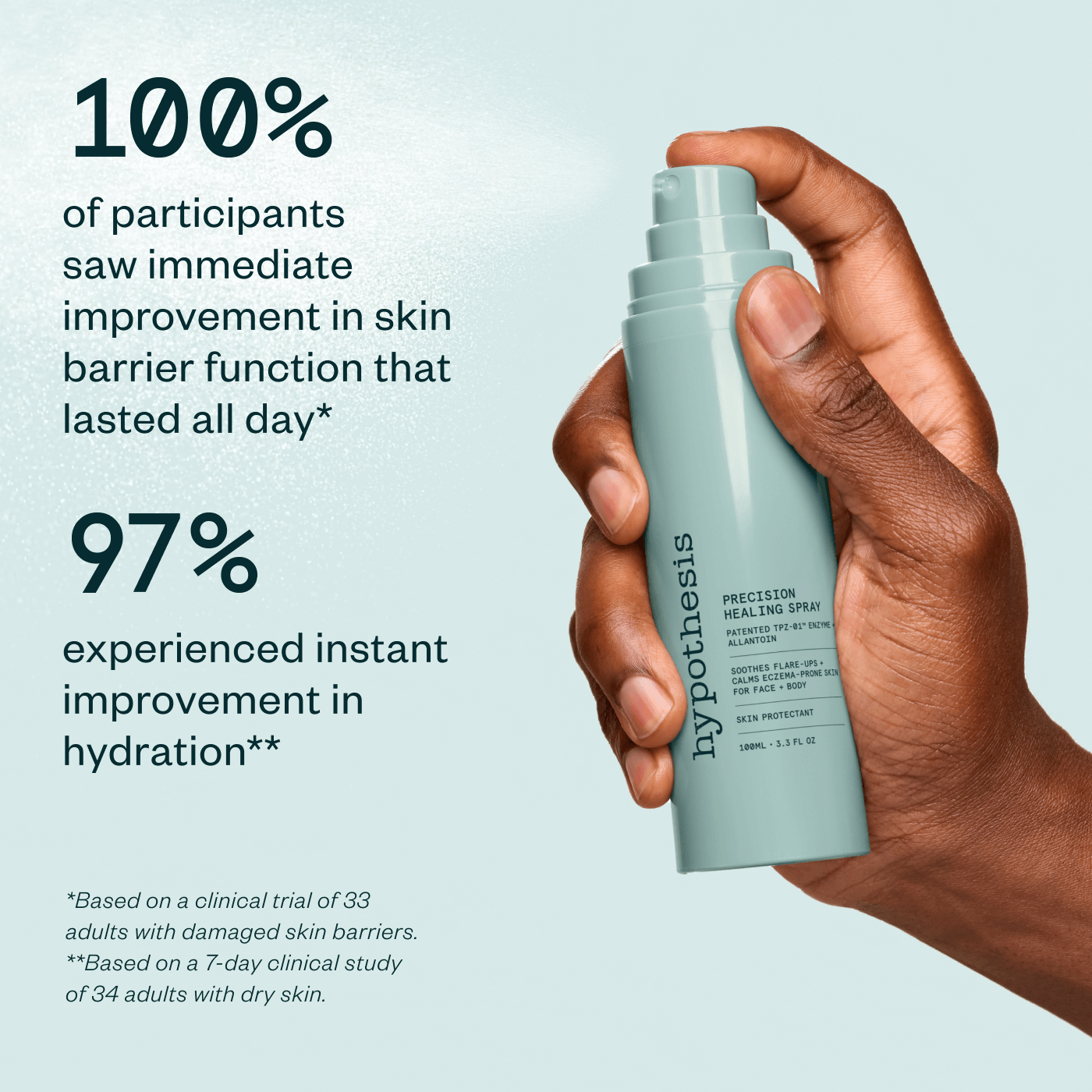
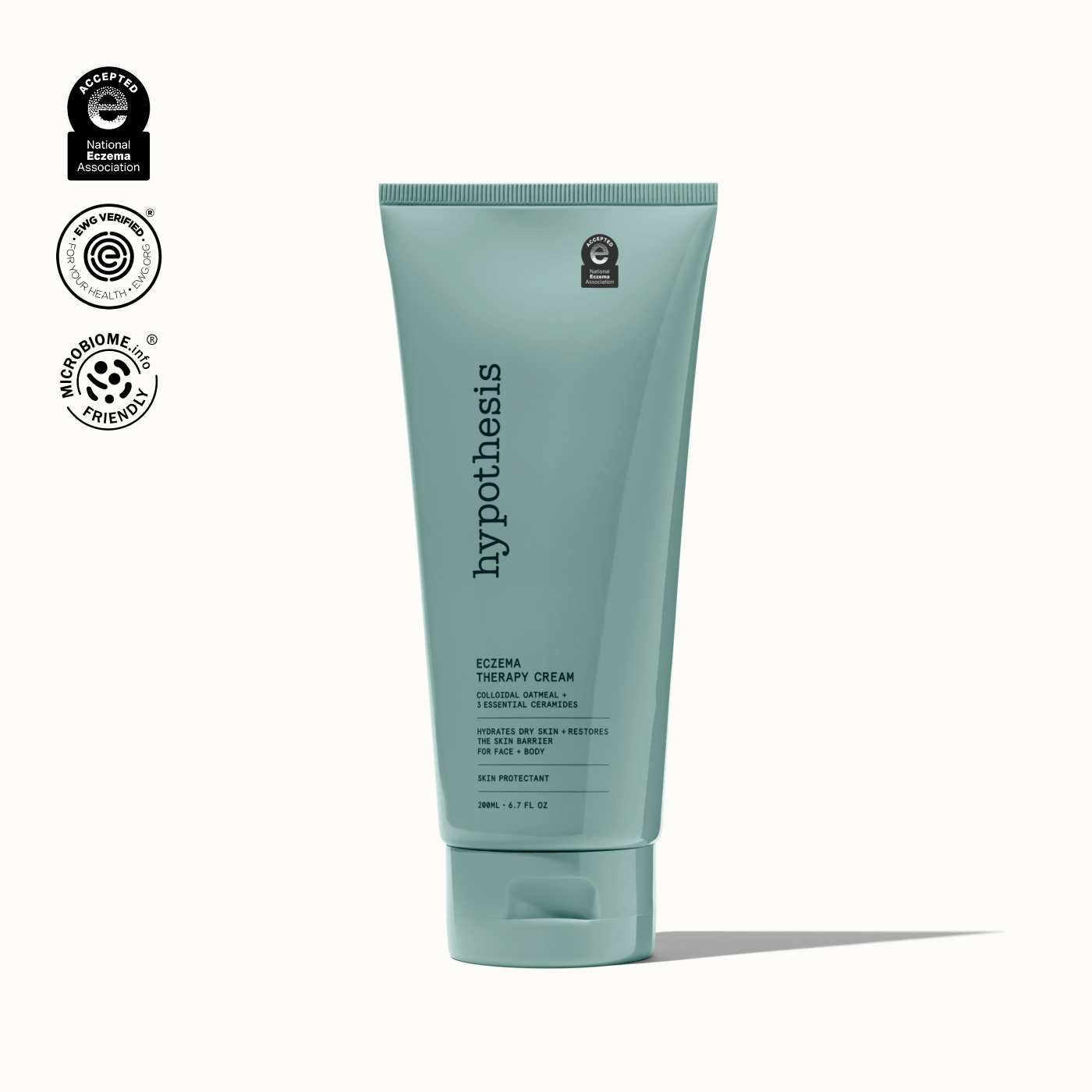
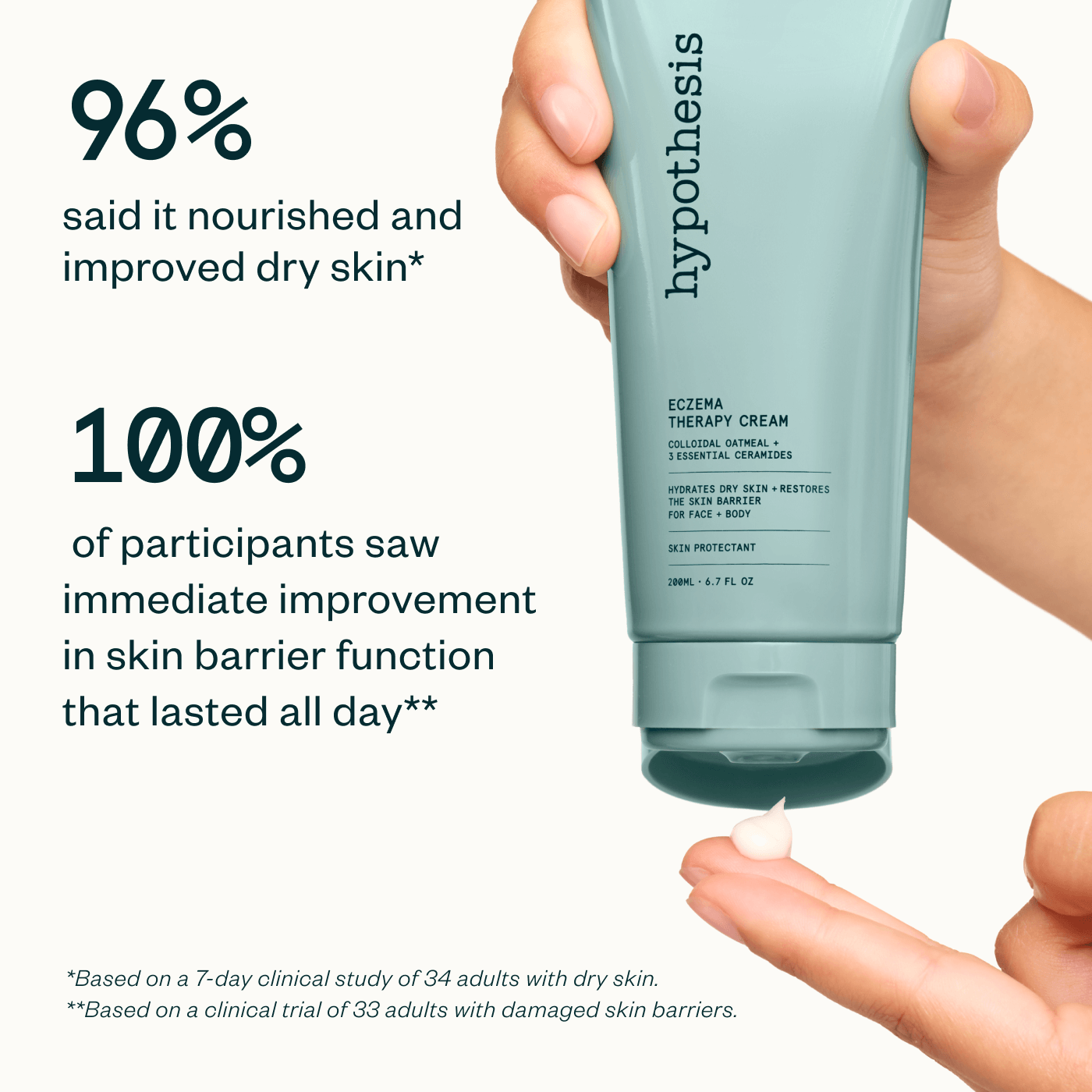
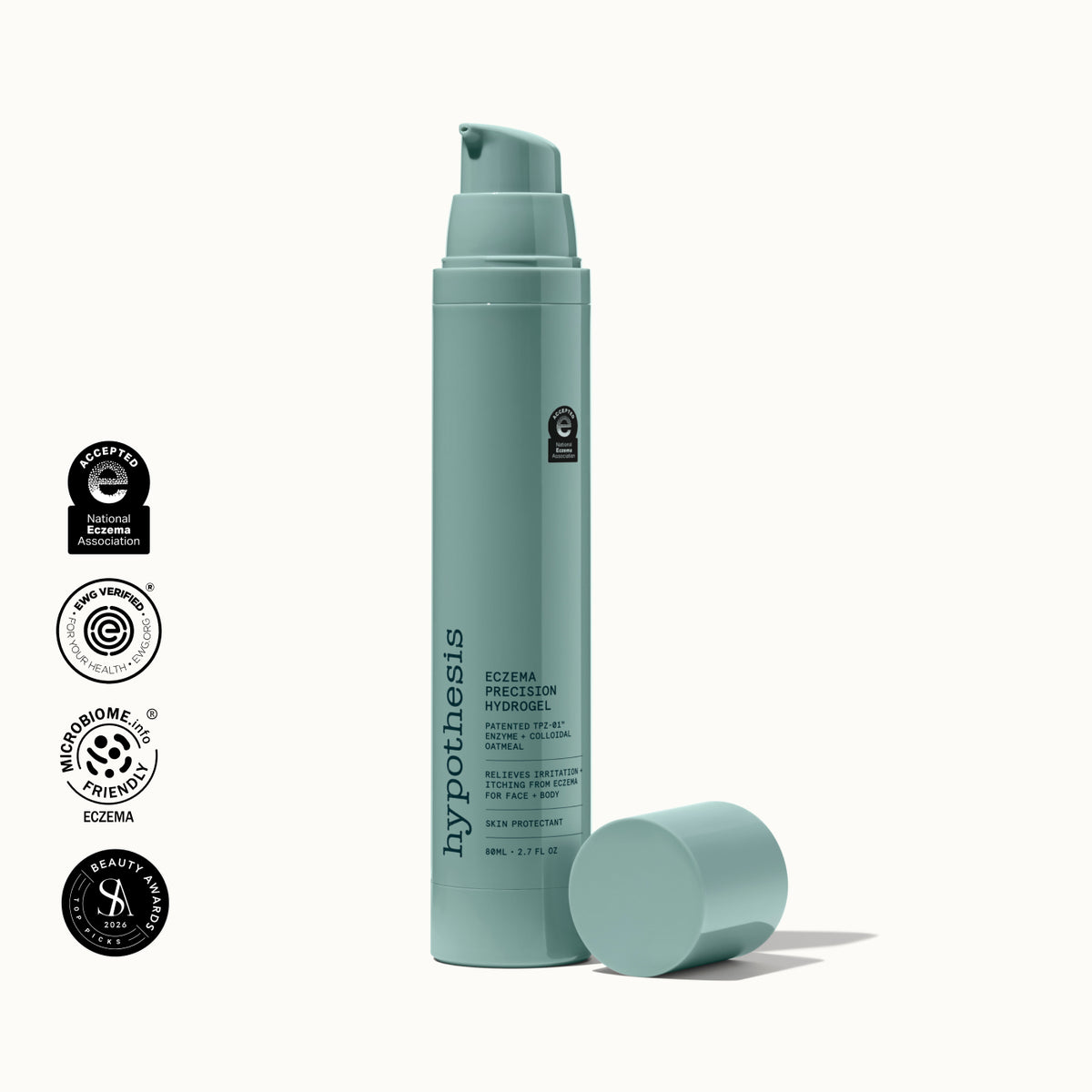
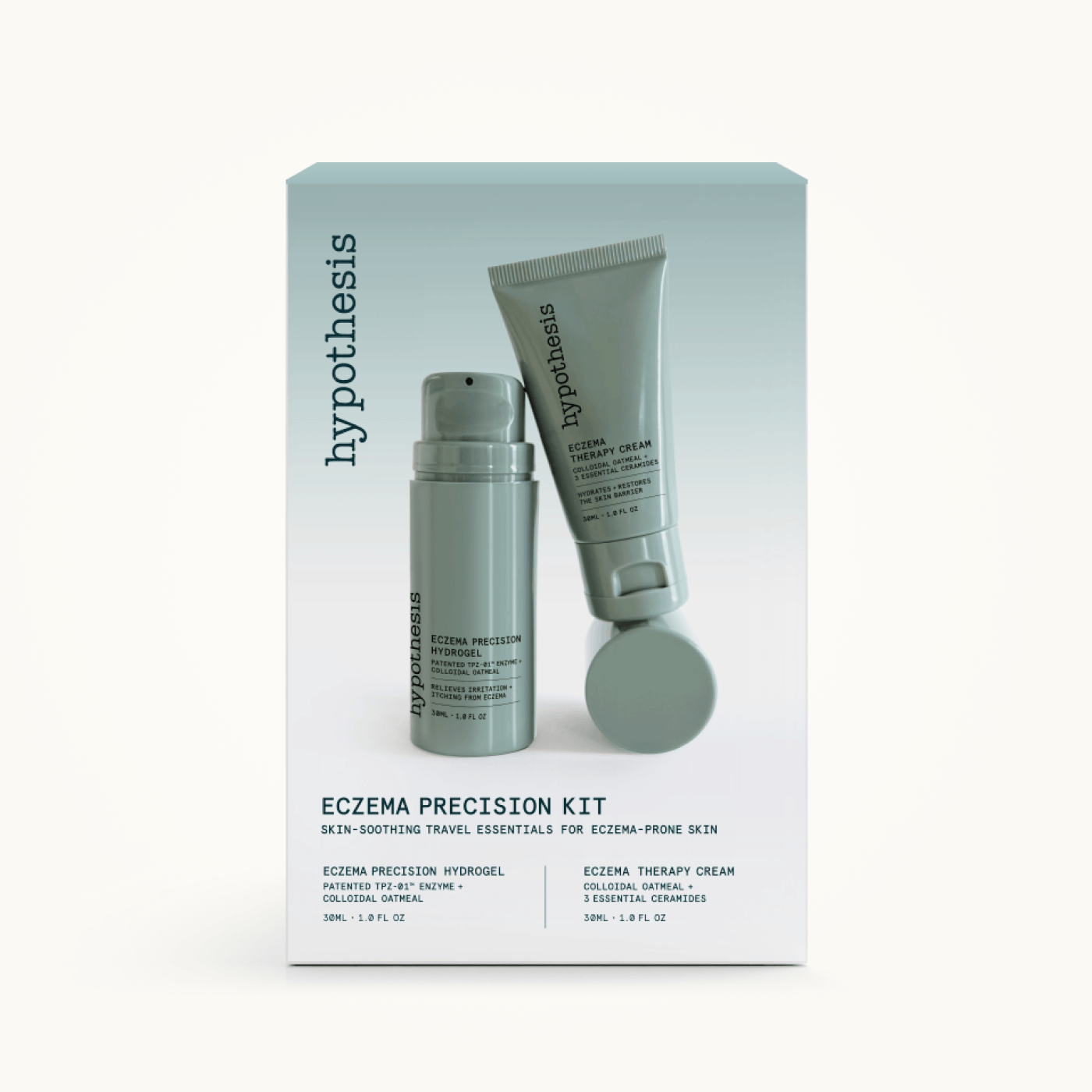
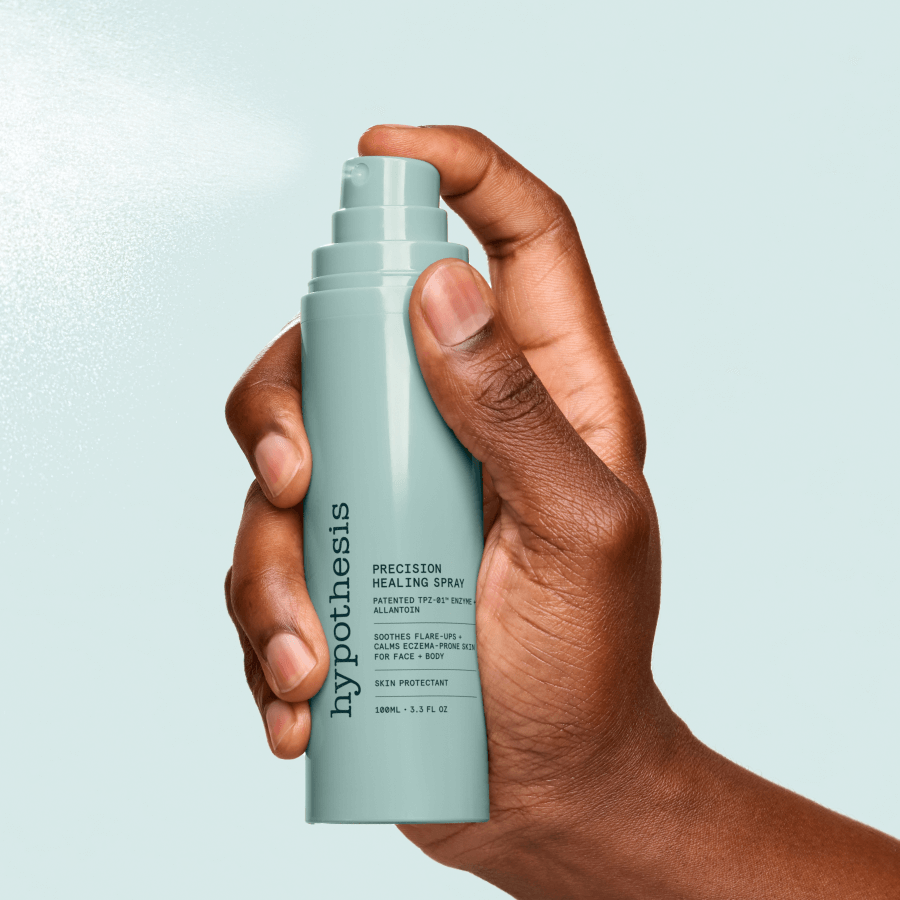
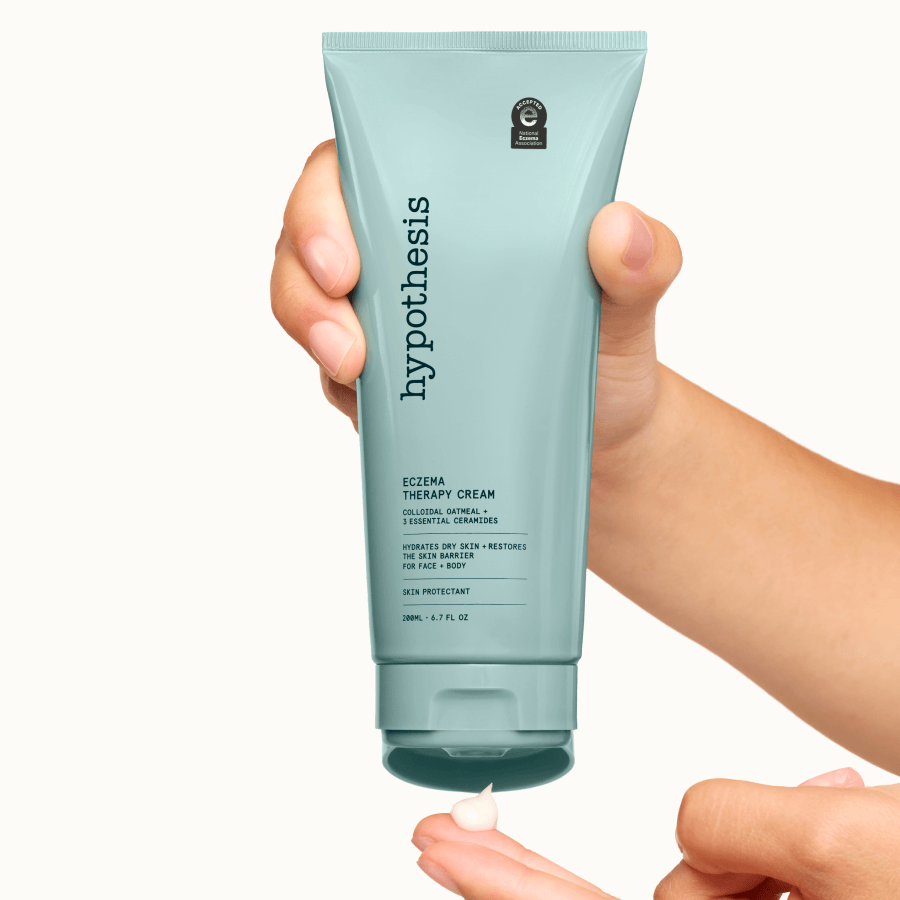
That means combining Hypothesis™ TPZ-01™ products like our Precision Eczema Hydrogel or our Precision Healing Spray to keep Staph aureus in check, moisturizers like our Eczema Therapy Cream to strengthen the skin barrier, and judicious use of steroid creams to reduce inflammation when needed. Consult a dermatologist to see if this approach is right for you.

The Bottom Line
Eczema is a complex disease. Genetics, immune function, environmental triggers, and stress all play real roles. There is no single cause, no single cure, and hypothesis™ products are not a magic bullet.
But the science increasingly shows that eczema is driven by three mutually reinforcing factors—a weakened skin barrier, an overactivated immune system, and microbiome imbalance—and that breaking the eczema cycle requires addressing all three. Standard treatments do important work on the first two.
Precision targeting of Staph aureus with our patented TPZ-01™ precision enzyme represents a new category of eczema care, one that works alongside existing treatments to address the third piece of the cycle that has, until now, gone largely unaddressed. That's the vision behind hypothesis™, and it's the science we're committed to advancing.
This content is for informational and educational purposes and does not constitute medical advice. Please consult a licensed dermatologist for personalized care.
Frequently asked questions
What is the role of the microbiome in eczema?
The skin microbiome—the community of bacteria, fungi, and other microorganisms that live on healthy skin—plays an important role in maintaining the skin barrier, training the immune system, and preventing colonization by pathogenic bacteria. In people with eczema, this community becomes imbalanced: microbial diversity drops and harmful bacteria, particularly Staphylococcus aureus, overgrow. This imbalance, known as dysbiosis, actively worsens both skin barrier function and immune overactivation, contributing to flares and disease progression.
What is Staphylococcus aureus and why does it matter in eczema?
Staphylococcus aureus (also called Staph aureus or S. aureus) is a bacteria that is found on the skin of 70–95% of people with eczema, compared to only 5–30% of the general population. Research has also shown that Staph aureus levels spike right before and during flare-ups, and the more Staph aureus you have on your skin, the worse your symptoms. Staph aureus doesn't just passively reside on the skit releases toxins, enzymes, and other molecules that damage the skin barrier, overactivate the immune system, and worsen itch. It is now recognized that Staph aureus is a key amplifier of the itch-scratch-inflammation cycle that drives eczema symptoms and progression.
Why do eczema flares keep coming back?
Eczema flares tend to recur because the disease is driven by a self-reinforcing cycle involving three interconnected factors: a weakened skin barrier, an overactive immune system, and microbiome imbalance. Each factor worsens the others. A damaged barrier allows Staph aureus to colonize more easily; Staph aureus further damages the barrier and amplifies immune overactivation; the resulting inflammation drives itch and scratching, which damages the barrier further. Breaking this cycle rather than managing just one factor is key to more durable relief.
Why don't antibiotics work long-term for eczema?
Antibiotics are sometimes used for active Staph aureus infections in eczema, but they aren't recommended for long-term management of the microbiome for several reasons. They're non-selective, meaning they eliminate beneficial skin bacteria alongside harmful ones, which can make microbiome imbalance worse. Once antibiotics are stopped, Staph aureus can return aggressively to a microbiome with fewer natural competitors. There's also a growing concern about antibiotic resistance—methicillin-resistant Staph aureus (MRSA) is already estimated to affect 18–25% of pediatric patients with moderate-to-severe eczema.
Do standard eczema treatments address the skin microbiome?
Most standard eczema treatments—moisturizers, topical steroids, and biologic medications—do not directly target the skin microbiome. Moisturizers support the skin barrier but don't reduce Staph aureus colonization. Steroids calm inflammation but leave the underlying microbial imbalance unaddressed. This is one reason flare-ups can sometimes reoccur soon after stopping treatments. Leading dermatologists have identified selective Staph aureus management as a significant unmet need in eczema care.
What is the connection between the skin barrier and eczema?
The skin barrier is the outermost protective layer of skin and acts like a seal, keeping moisture in and irritants, allergens, and microbes out. In people with eczema, this barrier is structurally compromised. Genetic factors can play a role here: many people with eczema have mutations in a protein called filaggrin, which is essential for building a strong barrier. But the barrier can also weaken in response to environmental triggers, inflammation, and Staph aureus colonization and overgrowth.
This content is for informational and educational purposes and does not constitute medical advice. Please consult a licensed dermatologist for personalized care.