

eczema care
Our First AMA with Pediatric Dermatologist Dr. Peter Lio
We recently hosted our very first Ask Me Anything (AMA) with Dr. Peter Lio, board-certified dermatologist based in Chicago, founding director of the Chicago Integrative Eczema Center, and Clinical Assistant Professor of Dermatology & Pediatrics at Northwestern University Feinberg School of Medicine. Dr. Lio has spent much of his career studying the skin barrier, atopic dermatitis, and eczema, especially in children.
The conversation was fueled by real questions from the hypothesis™ community, gathered from Reddit threads, customer support inquiries, comments, and DMs. In case you missed it, here are some of the highlights from our talk with Dr. Lio—so we can create a lasting resource for families navigating childhood eczema.
Q: One of the most common questions we hear is about identifying eczema triggers in children. How can parents figure out what’s causing their child’s eczema?
Dr. Lio: This is one of the most important questions, and it comes up at almost every visit. Everyone wants to find the root cause—ideally something simple like a specific food or detergent. But the truth is, we almost never find just one or two things driving eczema.
By definition, eczema is a condition of a weakened skin barrier combined with immune overreaction and microbiome imbalance. Because of that, many things can contribute to flares: cold, dry weather, fragrance exposure, stress, poor sleep—even just one stressful day or night of bad sleep can measurably worsen the skin barrier.
At a certain point, the list of potential triggers becomes so long that we have to redirect families. If you tried to avoid everything that could trigger eczema, you’d have to live in a bubble. Instead of avoiding the world, our goal is to strengthen the skin barrier, cool inflammation, and rebalance the microbiome so the skin can tolerate more. From there, we can identify a few triggers that are truly intense and worth avoiding.
Q: How does diet impact eczema? Should parents avoid giving babies common allergens or try elimination diets?
Dr. Lio: The food–eczema connection is one of the oldest and most controversial topics we talk about. For many years, we thought food was the main driver, and for a small group of patients, that’s still true. Occasionally, families do identify one or two foods that clearly worsen eczema.
But for the vast majority—more than 98% of patients—we don’t find a simple food cause. Some foods may irritate, but that’s very different from being the root cause. I’ve seen families become extremely restrictive with diet, to the point where children weren’t growing properly or were becoming nutritionally deficient—and often without seeing meaningful improvement in their eczema.
What’s more concerning is what we’ve learned recently about food allergy risk. Research has shown that when foods are removed from the diet, children can actually lose tolerance and develop true, sometimes dangerous, food allergies when those foods are reintroduced. That’s why we teach this phrase:
“Through the skin, allergies begin. Through the diet, allergies stay quiet.”
When the skin barrier is broken, allergens can enter through the skin and drive allergy development. Eating foods helps maintain tolerance. For most children with eczema, elimination diets are low yield and may carry real risks.
Q: Is eczema hereditary?
Dr. Lio: Yes, there’s a genetic component. Certain gene mutations—like those affecting filaggrin, a protein essential for skin barrier strength and natural moisturizing—can significantly increase eczema risk.
That said, it doesn’t always run in families. About half of my patients have a clear family history, and about half don’t.
Q: Itching and poor sleep are incredibly distressing for parents and babies. What do you recommend?
Dr. Lio: Sleep is critical—for growth, development, immune health, and skin barrier repair. Poor sleep makes everything worse, including eczema itself.
While sedating medications or strong antihistamines can knock someone out, they don’t address the underlying problem, and often lead to poor quality sleep. Instead, we focus on treating the eczema and the itch. When the skin is under good control, sleep usually improves on its own.
In the clinic, one of my most important questions is, “How is your child sleeping?” If sleep is good, that tells us we’re on the right track. If not, it’s a sign we need to do more to calm inflammation and itch.
Q: What treatment approaches do you recommend for babies and very young children?
Dr. Lio: We always start as gently as possible. That means mild cleansers, consistent moisturizing, and avoiding anything irritating. We also look at the environment—humidifiers, fragrance exposure, fabrics, and even daycare challenges.
If medication is needed, we use the mildest options in small amounts and reassess often. Eczema isn’t just a skin issue—it affects sleep, growth, development, and infection risk—so thoughtful early treatment really matters.
Q: How does Staphylococcus aureus bacteria factor into pediatric eczema?
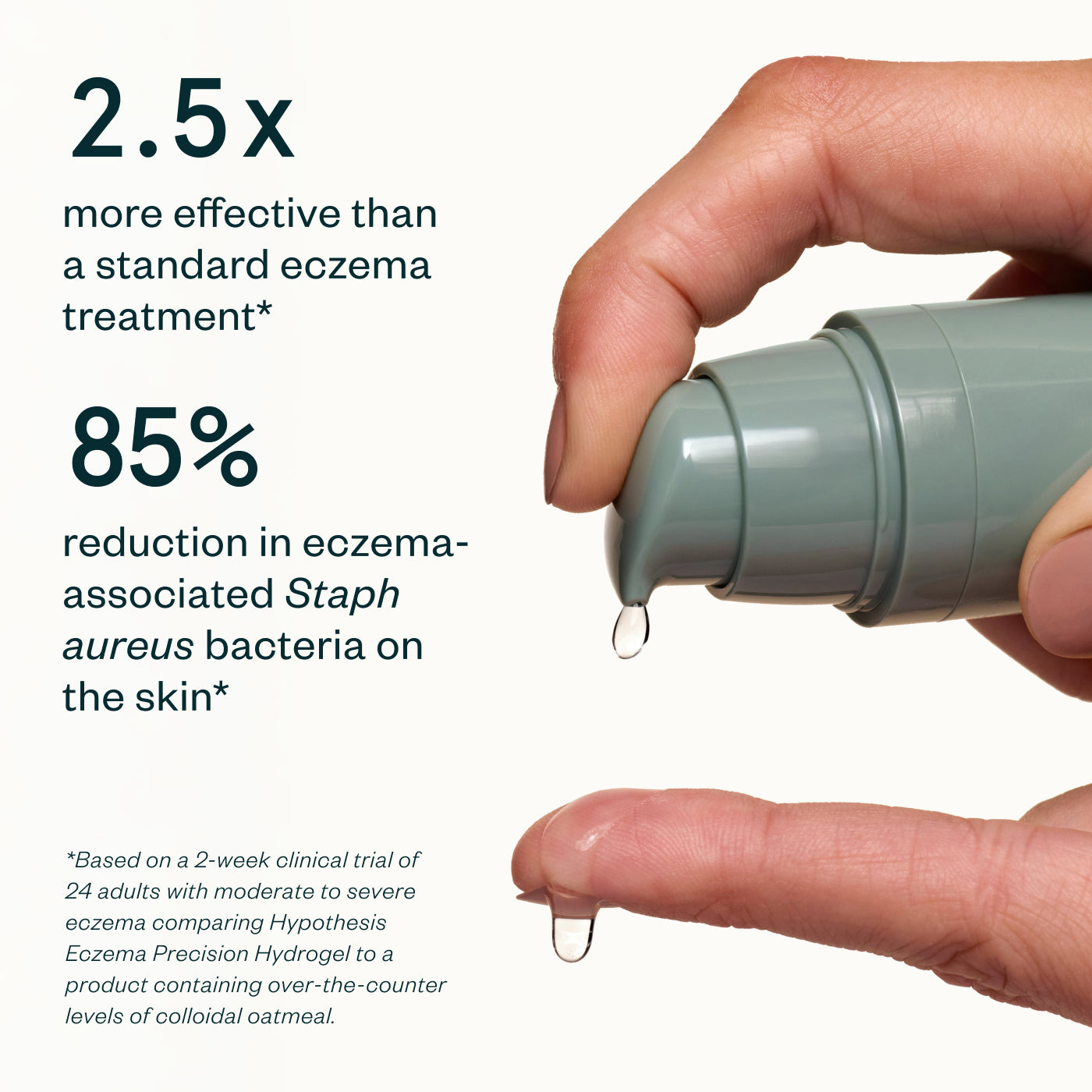
Dr. Lio: Eczema is not an infectious disease, but Staph often plays a major role—especially in more severe cases. A damaged skin barrier gives Staph an opportunity to thrive, and the bacteria then release toxins that worsen itch, inflammation, and barrier damage.
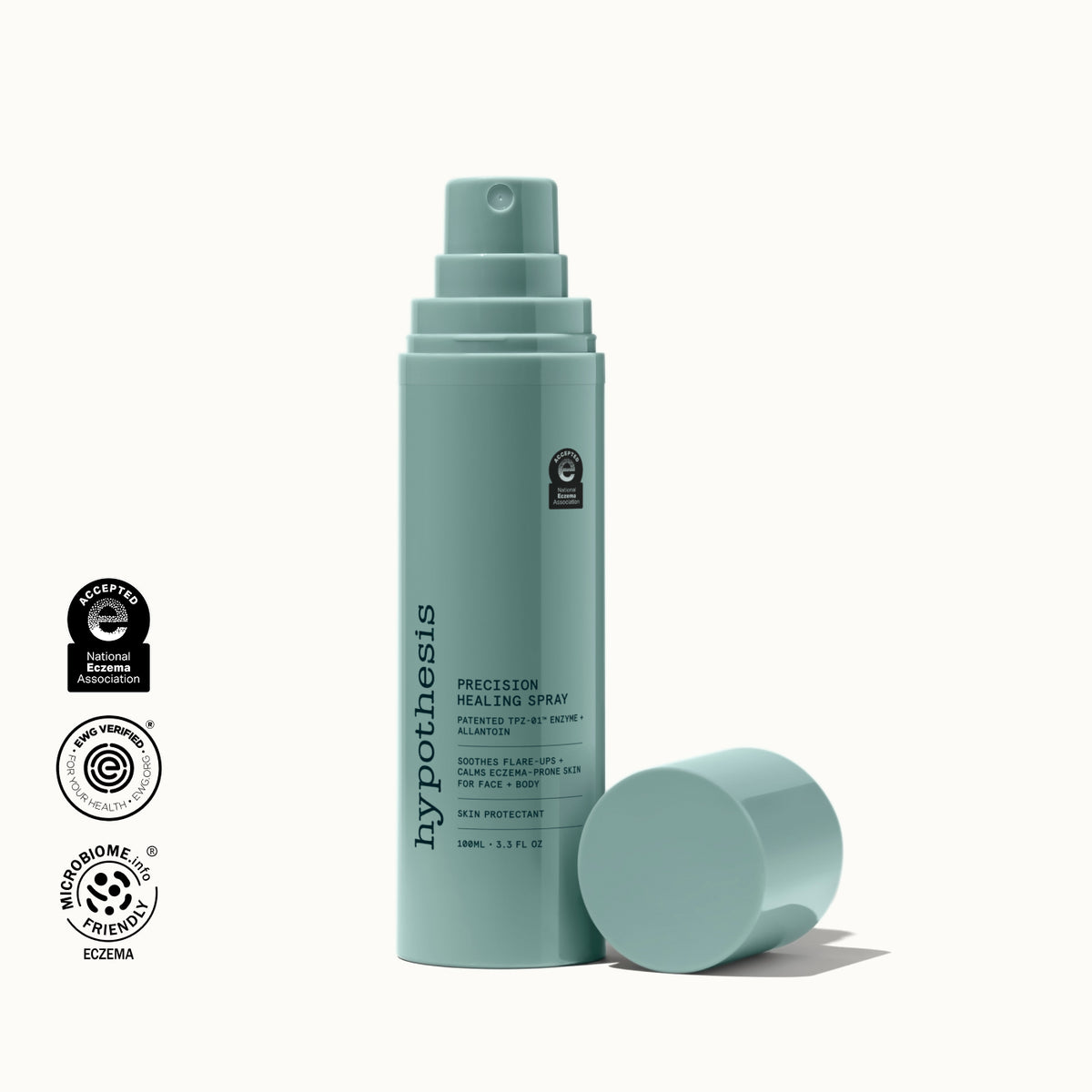
Aggressive approaches like oral or topical antibiotics often don’t work long-term and can disrupt the broader microbiome. What we need are gentler, more targeted ways to push back against staph while preserving beneficial bacteria. That’s where microbiome-focused strategies like hypothesis™ become really exciting.
Q: How safe are hypothesis™ products for babies and toddlers?
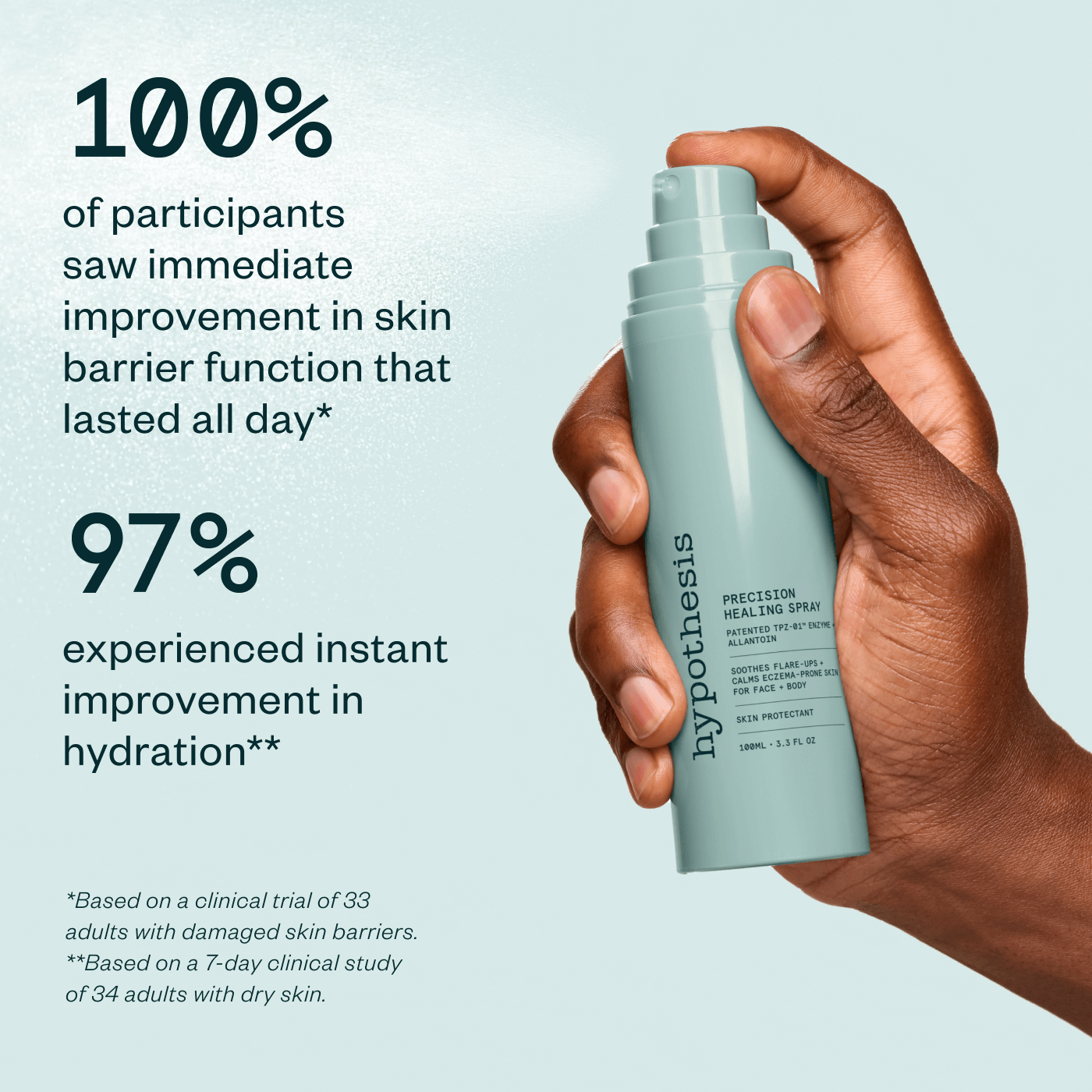
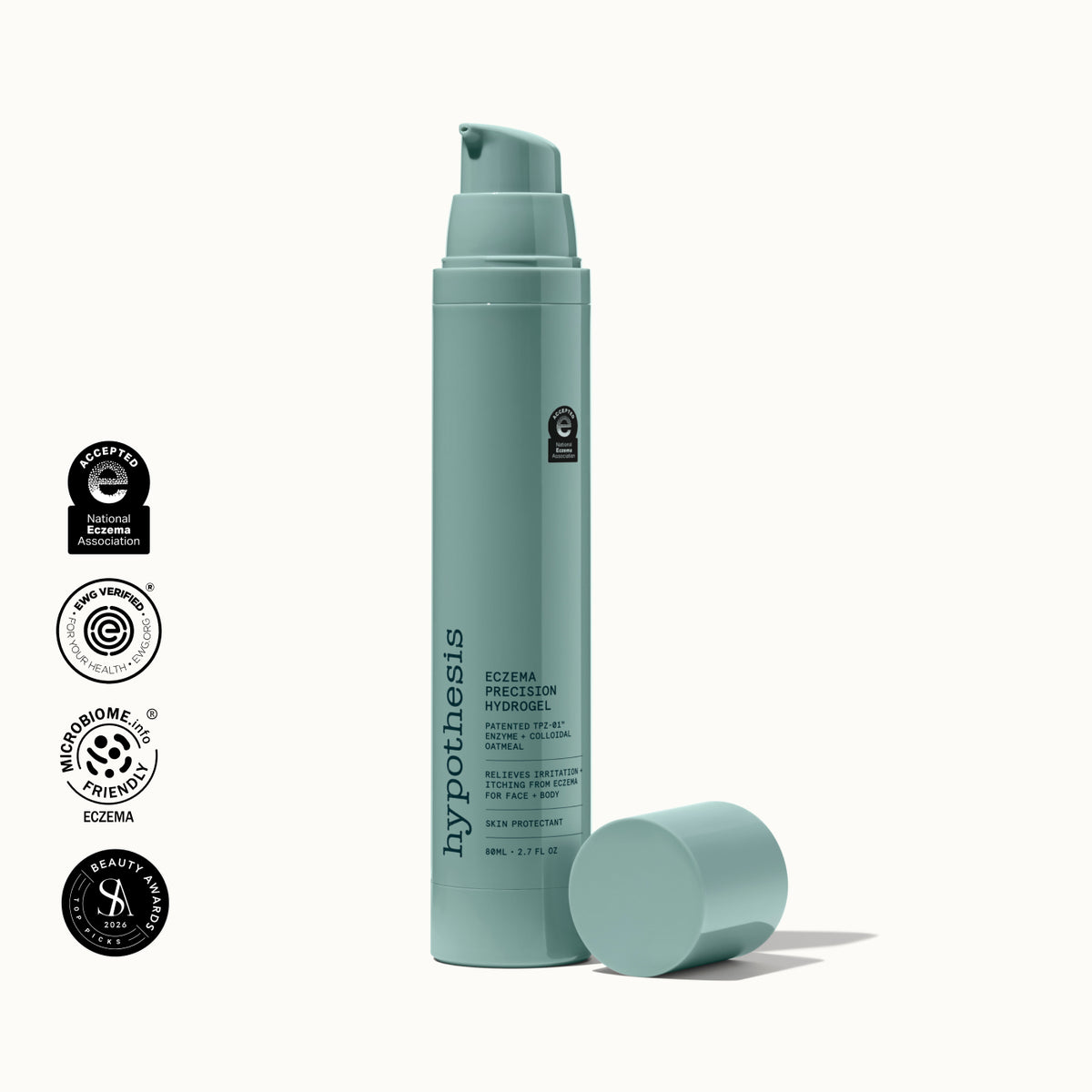
Dr. Lio: What I like about hypothesis™ is how targeted it is. Instead of broad-spectrum antibiotics that disrupt the microbiome, it uses an enzyme that specifically targets Staphylococcus aureus.
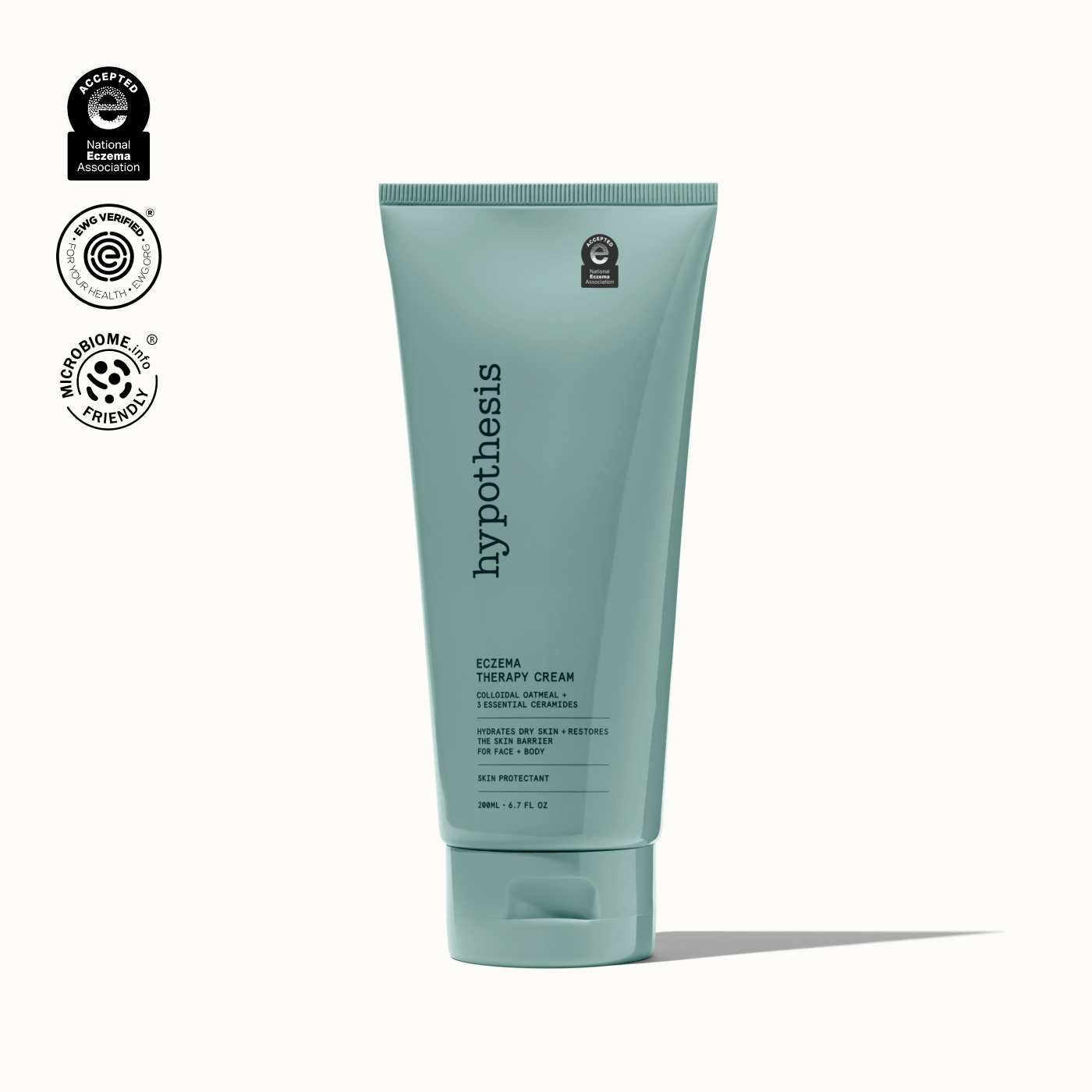
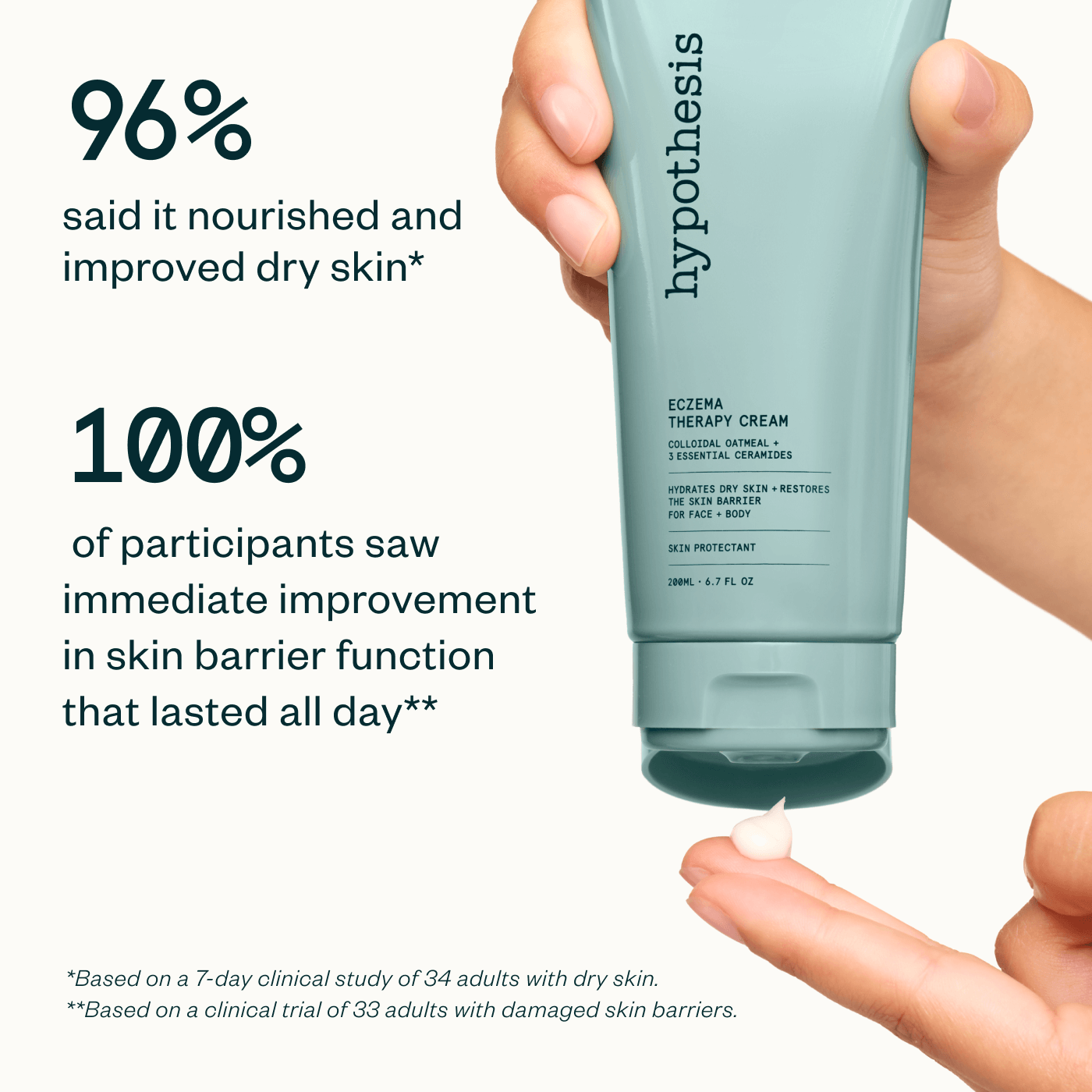
These enzymes have been studied for years, don’t promote resistance, break down naturally on the skin, and aren’t meaningfully absorbed into the body. Combined with a strong moisturizing base, it can help restore balance to the skin barrier and microbiome. For some patients, it may be enough on its own—and for others, part of a larger plan. My goal is always to minimize medication use, so having an option like this is a real gift.
Q: Bleach baths and hypochlorous acid sprays come up often. Are they safe for babies and toddlers?
Dr. Lio: Bleach baths gained attention after studies published in 2009 showed improvement in eczema. At the time, we thought they worked by killing Staphylococcus aureus on the skin. But newer research suggests that’s probably not the full story.
Hypochlorous acid—the active component of bleach—appears to have anti-inflammatory, anti-itch, and skin-barrier-supporting effects. It may not kill Staph as much as we once thought, but it can still be helpful in calming the skin.
Q: Can you use topical steroids on babies?
Dr. Lio: Topical steroids can be used very young if needed, but we’re cautious. They’re powerful medicines and not meant for constant, long-term use. We use them when needed, then stop, and reassess.
If someone needs too much steroid, that’s a signal we should change course. Today we’re fortunate to have non-steroidal options, light therapy, and other treatments. Catching eczema early often means we can use less medication over time, which is always my goal.
This article is for informational and educational purposes only and is not a substitute for professional medical advice. Always consult with your healthcare provider before starting, stopping, or changing any treatment plan for eczema or any other medical condition.